
Introduction: The Hidden Reason Your Lawn Won’t Thrive
The Ultimate Lawn Fix: You water it regularly. You fertilize on schedule. You mow carefully and even try different grass types—yet your lawn still looks patchy, weak, or lifeless. If this sounds familiar, you’re not alone.
Many homeowners assume that poor lawn health is due to improper watering or lack of nutrients. However, in many cases, the real problem lies deeper—literally beneath the surface. Issues related to Soil Structure, compaction, and root health often go unnoticed but can have a massive impact on how your lawn grows.
In this comprehensive guide, we’ll explore why your lawn may be struggling despite your best efforts—and what you can do to fix it for good.
Understanding the Basics of Lawn Health
Grass Needs More Than Water and Fertilizer
Healthy grass depends on a combination of factors, including:
- Soil quality
- Air circulation in the soil
- Root development
- Sunlight exposure
- Proper mowing practices
Even if you’re doing everything “right” above ground, problems below ground can prevent your lawn from thriving.
The Role of Soil in Lawn Growth
At the core of every healthy lawn is well-balanced soil. Soil is not just dirt—it’s a living ecosystem that supports grass roots. Poor soil conditions can block water absorption, limit nutrient availability, and restrict root growth.
The Real Culprit: Soil Compaction
What Is Soil Compaction?
Soil Compaction occurs when soil particles are pressed together, reducing the space between them. This makes it difficult for air, water, and nutrients to penetrate the soil.
Signs Your Lawn Is Compacted
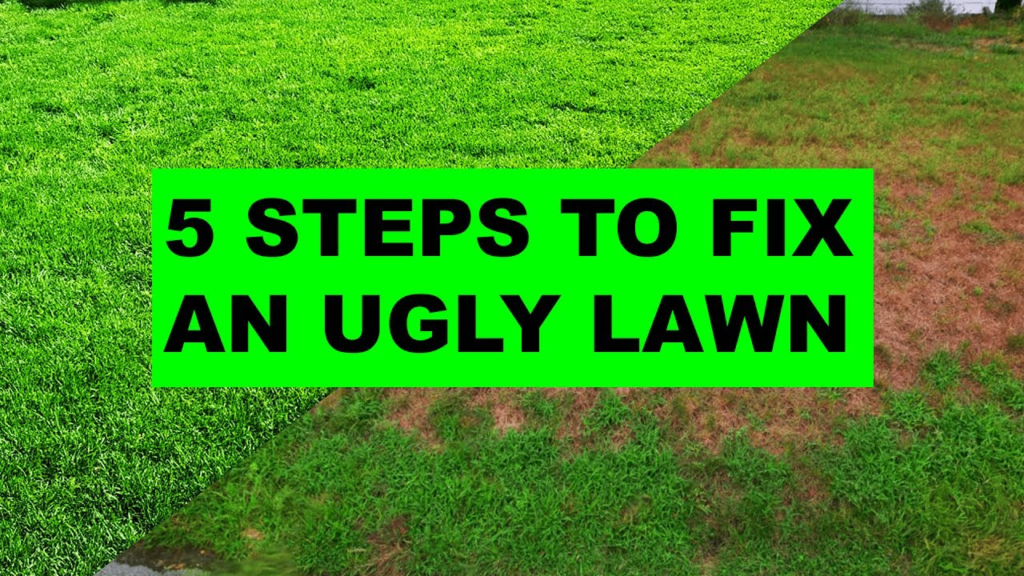
If your lawn struggles despite proper care, look for these warning signs:
- Water pooling on the surface
- Hard, dense soil that’s difficult to dig
- Thin or patchy grass growth
- Increased weed presence
- Roots that remain shallow
What Causes Soil Compaction?
Common causes include:
- Heavy foot traffic
- Lawn equipment use
- Construction activity
- Clay-heavy soil types
Over time, these factors compress the soil, making it harder for grass roots to grow.
Poor Root Development: The Silent Lawn Killer
Why Roots Matter
Grass health starts at the roots. Strong, deep roots allow grass to:
- Access water more efficiently
- Absorb nutrients effectively
- Withstand drought and heat
When roots are weak or shallow, the grass above ground suffers.
What Affects Root Growth?
Several hidden issues can limit root development:
- Compacted soil
- Overwatering
- Frequent shallow watering
- Excessive fertilizer use
Ironically, trying to “help” your lawn too much can actually weaken its root system.
The Problem with Overwatering and Overfertilizing
Too Much of a Good Thing
Many homeowners assume that more water and fertilizer will fix lawn problems. In reality, overdoing it can cause:
- Root rot
- Nutrient imbalance
- Increased disease risk
How Overwatering Hurts Your Lawn
Overwatering can lead to oxygen-deprived soil, which suffocates roots. Grass roots need air just as much as they need water.
Fertilizer Misuse
Excess fertilizer can burn grass or encourage rapid top growth at the expense of root strength.
Soil pH Imbalance: The Overlooked Factor
What Is Soil pH?
Soil pH determines how easily plants can absorb nutrients.
Why pH Matters
If your soil is too acidic or too alkaline, grass cannot access essential nutrients—even if they are present in the soil.
Signs of pH Problems
- Yellowing grass
- Slow growth
- Poor response to fertilizer
Testing your soil can reveal whether pH imbalance is affecting your lawn.
Thatch Buildup: A Hidden Barrier
What Is Thatch?
Thatch is a layer of dead grass, roots, and debris that accumulates between the soil and the grass blades.
Why It’s a Problem
A thin layer of thatch can be beneficial, but excessive buildup can:
- Block water and nutrients
- Harbor pests and diseases
- Prevent root penetration
Lack of Aeration: Why Your Lawn Can’t Breathe
What Is Lawn Aeration?
Lawn Aeration involves creating small holes in the soil to relieve compaction and improve airflow.
Benefits of Aeration
- Improves root growth
- Enhances nutrient absorption
- Reduces water runoff
- Breaks up compacted soil
Aeration is often the missing step in many lawn care routines.
Grass Type and Climate Mismatch
Choosing the Right Grass
Not all grass types thrive in every environment. If your grass isn’t suited to your climate, it will struggle regardless of care.
Common Issues
- Cool-season grass in hot climates
- Warm-season grass in cooler regions
- Poor sunlight compatibility
Matching your grass type to your region is essential for long-term success.
Pest and Disease Problems
Hidden Threats
Sometimes, the issue isn’t soil—it’s pests or diseases damaging your lawn from below.
Common Lawn Pests
- Grubs
- Armyworms
- Chinch bugs
Lawn Diseases
Fungal infections can weaken grass and create patchy areas that resemble nutrient deficiencies.
How to Fix a Struggling Lawn
Step 1: Test Your Soil
Start with a soil test to check:
- pH levels
- Nutrient content
- Soil composition
This provides a clear roadmap for improvement.
Step 2: Aerate Your Lawn
Regular aeration helps relieve compaction and allows roots to grow deeper.
Step 3: Adjust Watering Practices
- Water deeply but less frequently
- Encourage deep root growth
- Avoid daily shallow watering
Step 4: Use Fertilizer Wisely
- Apply based on soil test results
- Avoid overuse
- Choose the right type for your grass
Step 5: Remove Excess Thatch
Dethatching can restore proper airflow and improve nutrient absorption.
Step 6: Improve Soil Quality
Add organic matter such as compost to enhance soil structure and fertility.
Long-Term Lawn Care Tips
Maintain Healthy Soil
Healthy soil leads to a healthy lawn. Focus on:
- Regular aeration
- Organic matter addition
- Balanced nutrients
Mow Properly
- Avoid cutting grass too short
- Keep mower blades sharp
- Follow the one-third rule
Monitor Lawn Health
Keep an eye out for early warning signs of stress and address issues promptly.
Common Mistakes to Avoid
- Overwatering
- Overfertilizing
- Ignoring soil health
- Skipping aeration
- Using the wrong grass type
Avoiding these mistakes can significantly improve your lawn’s health.
When to Call a Professional
If your lawn continues to struggle despite your efforts, it may be time to consult a lawn care expert. Professionals can:
- Conduct detailed soil analysis
- Identify pests or diseases
- Recommend targeted treatments
Conclusion: Look Beneath the Surface for Lasting Results
If your lawn struggles no matter what you do, the issue is likely not just water or fertilizer—it’s what’s happening beneath the surface. From Soil Compaction to poor root development and imbalanced Soil pH, hidden factors often play the biggest role in lawn health.
By focusing on soil quality, proper aeration, and balanced care, you can transform your lawn from weak and patchy to lush and thriving. The key is to stop treating the symptoms and start addressing the root cause—literally.
A healthy lawn isn’t just about what you add on top—it’s about building a strong foundation below.
FAQs
Why does my lawn look unhealthy even though I water it regularly?
Overwatering can be just as harmful as underwatering. It can suffocate roots by reducing oxygen in the soil, especially if Soil Compaction is present, preventing proper drainage.
What is the ideal soil condition for a healthy lawn?
Healthy lawns thrive in soil with good Soil Structure, balanced nutrients, proper drainage, and adequate air pockets for root growth.
Can too much fertilizer damage my lawn?
Yes, over-fertilizing can burn grass, disrupt nutrient balance, and encourage weak, shallow roots instead of strong growth.











Leave a Comment