
The Surprising Car Feature That Helps You See Clearly in Dangerous Weather: Driving in rain, fog, snow, or dusty conditions can be dangerous if your visibility is compromised. While most drivers rely on headlights and windshield wipers, many overlook a powerful built-in feature that significantly improves visibility in bad weather: fog lights. Surprisingly, this feature exists in many vehicles but is rarely used correctly—or sometimes not used at all.
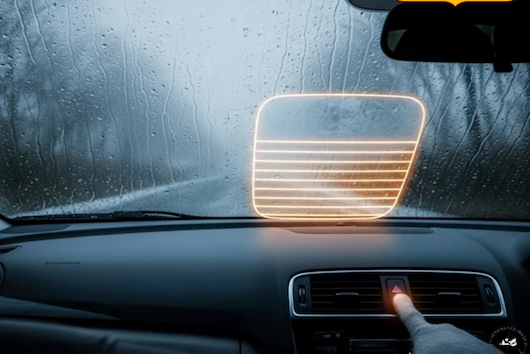
Fog lights are designed specifically to help drivers see better when normal headlights struggle. Yet many people either forget about them, misunderstand how they work, or use them incorrectly.
In this detailed guide, we will explore everything you need to know about fog lights—how they work, why they matter, when to use them, and how they can make driving safer during poor weather conditions.
What Are Fog Lights?
Fog lights are specialized lights installed on the front (and sometimes rear) of a vehicle. They are designed to illuminate the road close to the ground, helping drivers see better in situations where visibility is reduced by fog, rain, snow, or dust.
Unlike regular headlights that project light forward and upward, fog lights emit a wide, low beam that cuts underneath fog and reduces glare.
Key Characteristics of Fog Lights
- Positioned lower on the vehicle bumper
- Produce a wide horizontal beam
- Aim light toward the road surface
- Reduce reflection from fog or rain
- Improve visibility in short-range conditions
Because fog lights stay close to the ground, they help drivers see road markings, lane lines, and obstacles that may otherwise be difficult to spot.
Why Regular Headlights Are Not Always Enough
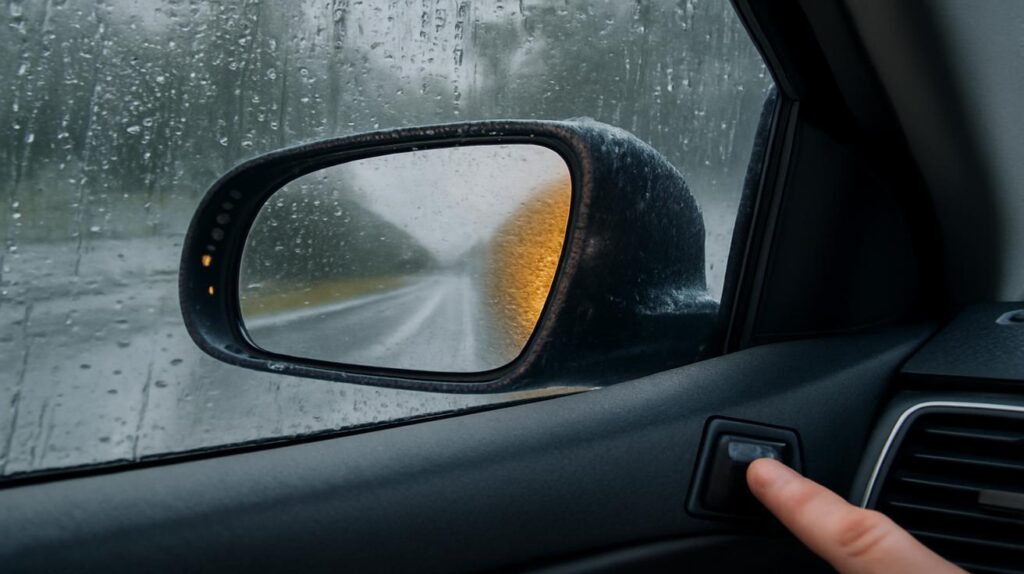
Most drivers assume headlights are sufficient in all driving conditions. However, during heavy fog or rain, headlights can actually make visibility worse.
The Problem With Standard Headlights
Headlights project light forward at a higher angle. When that light hits fog, rain droplets, or snow particles, it reflects back toward the driver.
This reflection creates a white glare effect, making it harder to see the road ahead.
This is similar to turning on a flashlight in a dense cloud—the light bounces back instead of penetrating forward.
Fog lights solve this problem by directing light downward and outward, minimizing reflection and helping drivers maintain clearer vision.
How Fog Lights Improve Visibility
Fog lights are engineered to tackle one specific problem: scattering of light in bad weather.
1. Lower Beam Angle
Fog lights are mounted lower on the vehicle and aim light downward. This allows the beam to pass beneath fog layers rather than reflecting directly off them.
2. Wide Beam Pattern
Instead of focusing light far ahead, fog lights spread light across a wider area. This helps illuminate:
- Road edges
- Lane markers
- Curbs
- Nearby obstacles
3. Reduced Glare
Because the light remains low and diffused, it prevents glare that would otherwise bounce back toward the driver’s eyes.
4. Enhanced Peripheral Vision
Fog lights improve side visibility, helping drivers detect pedestrians, animals, and roadside hazards.
Types of Fog Lights in Modern Cars
Modern vehicles may come equipped with different types of fog lights, depending on the manufacturer and model.
Understanding these types can help you choose the right upgrade if your vehicle allows modifications.
Halogen Fog Lights
Halogen fog lights are the most common and affordable option.
Advantages
- Low cost
- Easy replacement
- Widely available
Disadvantages
- Lower brightness
- Shorter lifespan compared to newer technologies
LED Fog Lights
LED fog lights are becoming increasingly popular in modern vehicles.
Advantages
- Bright illumination
- Energy efficient
- Long lifespan
- Modern appearance
Disadvantages
- Higher upfront cost
HID (Xenon) Fog Lights
HID fog lights produce intense light using xenon gas technology.
Advantages
- Extremely bright
- Excellent illumination
Disadvantages
- Expensive
- Can cause glare if improperly installed
When Should You Use Fog Lights?
Many drivers either forget to use fog lights or use them incorrectly.
Knowing when to activate them can greatly improve driving safety.
Ideal Conditions for Fog Lights
Fog lights should be used in the following situations:
- Heavy fog
- Intense rain
- Snowstorms
- Dust storms
- Smoke-filled roads
- Early morning mist
In these conditions, visibility is reduced to a short distance, making fog lights extremely helpful.
When NOT to Use Fog Lights
Fog lights are not meant for normal driving conditions.
Using them unnecessarily can actually create problems for other drivers.
Avoid Using Fog Lights When
- The weather is clear
- Driving in bright city areas
- Using high-beam headlights
- On highways with good visibility
Improper use can cause glare and distract other drivers on the road.
Front Fog Lights vs Rear Fog Lights
Many vehicles also include rear fog lights, but drivers often confuse them with brake lights.
Understanding the difference is important.
Front Fog Lights
Front fog lights help the driver see the road more clearly.
They improve forward visibility during poor weather conditions.
Rear Fog Lights
Rear fog lights make your vehicle more visible to drivers behind you.
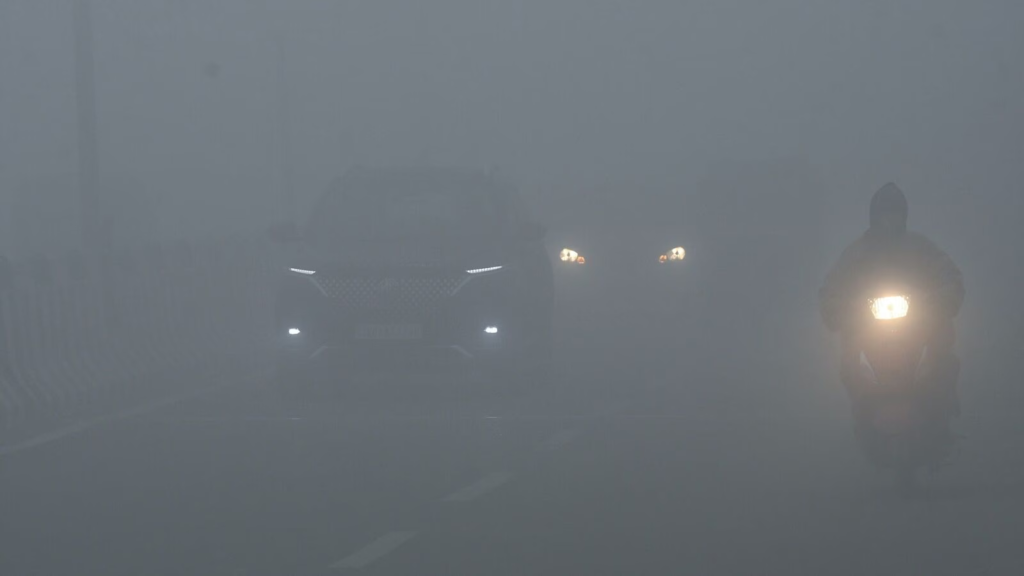
They are much brighter than normal tail lights and help prevent rear-end collisions during dense fog or heavy rain.
However, rear fog lights should only be used in very poor visibility, as they can dazzle drivers behind you.
How to Turn On Fog Lights in Your Car
Fog light controls vary depending on the car model, but they are usually located in one of the following places:
1. Headlight Control Switch
Many cars integrate fog light controls into the headlight switch.
You may need to rotate or pull the switch outward.
2. Dashboard Button
Some vehicles have a dedicated fog light button on the dashboard.
3. Indicator Stalk
In certain models, fog lights are activated using the turn signal lever.
If you’re unsure, check your car’s owner manual to locate the correct control.
Common Mistakes Drivers Make With Fog Lights
Despite their usefulness, fog lights are often misused.
Here are some common mistakes to avoid.
1. Leaving Fog Lights On All the Time
Many drivers forget to turn them off after bad weather clears.
This can blind oncoming drivers and reduce road safety.
2. Using High Beams With Fog Lights
High beams reflect strongly in fog, canceling the benefits of fog lights.
Always use fog lights with low-beam headlights.
3. Ignoring Rear Fog Lights
Rear fog lights are extremely useful in dense fog but are rarely used by drivers.
Using them correctly can significantly improve safety.
4. Installing Poor Quality Aftermarket Lights
Cheap fog lights may produce scattered beams that create glare instead of improving visibility.
Always choose certified or high-quality replacements.
Maintenance Tips for Fog Lights
Fog lights need proper maintenance to function effectively.
Clean the Lens Regularly
Mud, dust, and road debris can accumulate on fog light lenses. Cleaning them regularly ensures maximum brightness.
Check Alignment
If fog lights are angled too high, they may cause glare.
Proper alignment ensures the beam remains low and effective.
Replace Dim Bulbs
Over time, bulbs lose brightness. Replacing them restores proper illumination.
Inspect Electrical Connections
Loose wiring can cause fog lights to flicker or stop working entirely.
Routine inspection can prevent sudden failure during bad weather.
Are Fog Lights Mandatory in Cars?
Fog lights are not mandatory in all countries, but many modern vehicles include them as standard or optional equipment.
Safety regulations may differ depending on region.
However, given their benefits, fog lights are widely recommended for drivers who frequently encounter:
- Foggy climates
- Mountain roads
- Coastal areas
- Heavy monsoon rains
Can You Add Fog Lights to a Car That Doesn’t Have Them?
Yes, fog lights can often be added to vehicles that did not originally include them.
Options for Installation
- Factory-style fog light kits
- Aftermarket LED fog lights
- Professional installation by a mechanic
Factory-style kits usually offer the best integration with your vehicle’s electrical system and design.
However, proper installation is important to ensure the lights are aligned correctly and meet legal regulations.
Fog Lights vs Daytime Running Lights
Some drivers confuse fog lights with daytime running lights (DRLs).
These are different features designed for separate purposes.
Fog Lights
- Used during bad weather
- Improve driver visibility
- Mounted low on the bumper
Daytime Running Lights
- Automatically turn on during daytime
- Improve vehicle visibility to other drivers
- Do not significantly improve road illumination
Understanding the difference ensures you use each feature correctly.
Why Many Drivers Forget About Fog Lights
Despite being highly useful, fog lights are often ignored.
There are several reasons for this.
Lack of Awareness
Many drivers simply don’t know what fog lights are designed for.
Confusing Controls
Some vehicles hide fog light controls within complex switch systems.
Rare Usage
Drivers in clear-weather regions may not encounter conditions where fog lights are needed.
However, when bad weather strikes, knowing how to use them can make a significant difference.
The Safety Benefits of Using Fog Lights
Proper use of fog lights offers several important safety advantages.
Better Road Visibility
Drivers can clearly see lane markings and road edges.
Reduced Eye Strain
Less glare means drivers experience less fatigue during long drives in poor conditions.
Improved Vehicle Detection
Rear fog lights help other drivers spot your vehicle sooner.
Lower Accident Risk
Better visibility naturally leads to safer driving decisions.
Final Thoughts
Fog lights may seem like a small and often forgotten feature in your car, but they play a powerful role in improving visibility during bad weather.
By projecting a wide, low beam that cuts through fog, rain, and snow, fog lights help drivers maintain clearer sight of the road and nearby obstacles.
Yet many drivers rarely use them or use them incorrectly.
Understanding when and how to activate fog lights can significantly enhance your driving safety—especially during challenging weather conditions.
The next time you encounter thick fog, heavy rain, or a snowstorm, remember that this simple but effective feature is there to help you stay safe on the road.
Sometimes, the most overlooked features are the ones that make the biggest difference.
FAQs
1. What are fog lights used for in a car?
Fog lights are designed to improve visibility during poor weather conditions such as fog, heavy rain, snow, or dust. They emit a wide and low beam that illuminates the road surface directly in front of the vehicle, helping drivers see lane markings, road edges, and nearby obstacles more clearly.
2. When should you turn on fog lights?
You should turn on fog lights when visibility is significantly reduced due to fog, heavy rain, snowstorms, smoke, or dust. They are most effective when visibility drops below normal driving distance and regular headlights cause glare.
3. Can fog lights be used with headlights?
Yes, fog lights are typically used with low-beam headlights. However, they should not be used with high-beam headlights because high beams can reflect off fog, rain, or snow and create glare that reduces visibility.








Leave a Comment