
Introduction: A Powerful Display of U.S. Military Strength
Record-Breaking Air Power: In a striking demonstration of aerial dominance, the United States has achieved a military milestone by deploying 32 helicopters simultaneously in the sky, setting a new operational record. This extraordinary display underscores the scale, coordination, and technological sophistication of the U.S. armed forces.
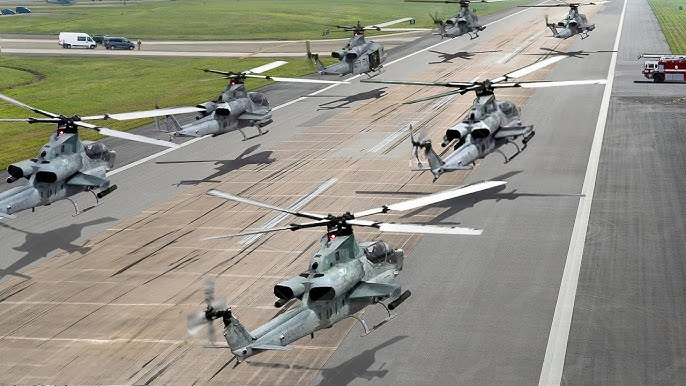
Such a large-scale helicopter operation is not just about numbers—it represents a deeper narrative of readiness, rapid deployment capability, and strategic deterrence. In an era of evolving global threats, this achievement signals that the United States remains a formidable force in modern warfare.
Understanding the Record: What Does 32 Helicopters Mean?
A Rare and Complex Military Feat
Deploying 32 helicopters at once is no ordinary exercise. It requires:
- Precise coordination between pilots and ground control
- Advanced communication systems
- Rigorous planning and execution
This operation highlights the ability of the U.S. military to conduct large-scale, synchronized aerial missions with high efficiency.
Types of Helicopters Involved
While specific models may vary, such operations often include a mix of:
- Transport helicopters
- Attack helicopters
- Reconnaissance aircraft
Common platforms used by the United States Army include:
- UH-60 Black Hawk
- AH-64 Apache
- CH-47 Chinook
These helicopters serve different roles, creating a versatile and powerful aerial formation.
Strategic Importance of Large-Scale Helicopter Operations
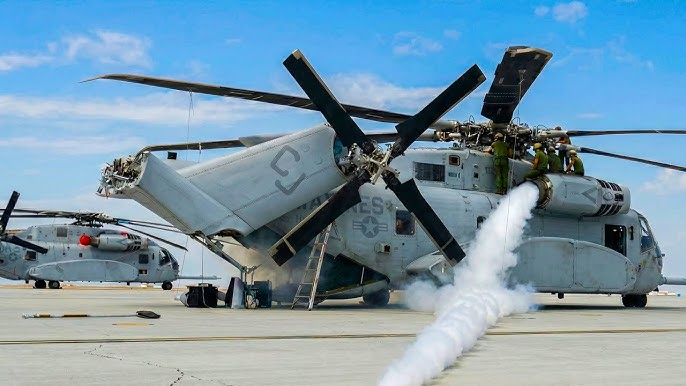
Rapid Deployment Capability
Helicopters are crucial for:
- سريع troop deployment
- Medical evacuation
- Logistics and supply transport
The ability to deploy 32 helicopters simultaneously enhances rapid response capabilities in crisis situations.
Battlefield Flexibility
Unlike fixed-wing aircraft, helicopters can:
- Hover in place
- Land in confined areas
- Operate in diverse terrains
This makes them indispensable for modern military operations.
Training and Coordination Behind the Record
Intensive Pilot Training
Achieving such a record requires highly trained personnel. Pilots undergo:
- Advanced flight simulations
- Formation flying exercises
- Emergency response drills
Command and Control Systems
The success of the operation relies on sophisticated systems that enable:
- Real-time communication
- मिशन coordination
- Threat detection and response
Technological Advancements Driving Success
Modern Avionics and Navigation
Today’s military helicopters are equipped with:
- GPS-guided navigation
- Night vision systems
- Advanced radar
These technologies allow for precise and सुरक्षित operations.
Integration with Digital Warfare Systems
The U.S. military integrates helicopter operations with:
- Satellite communication
- Cybersecurity frameworks
- Data-driven decision-making
This creates a highly connected and efficient battlefield environment.
Global Context: How the U.S. Compares
Leading the World in Military Aviation
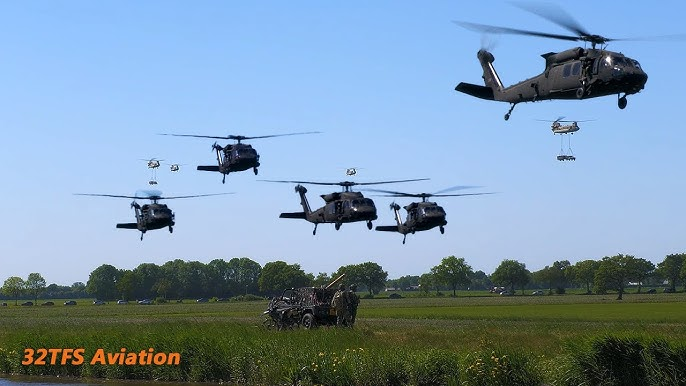
The United States maintains one of the most advanced military aviation fleets globally.
Comparison with Other Nations
Other countries with strong helicopter capabilities include:
- Russia
- China
- France
However, the scale and coordination demonstrated in this record highlight the U.S.’s superior operational capacity.
Real-World Applications of Such Operations
Combat Missions
Large helicopter formations can be used for:
- Air assault operations
- Close air support
- Strategic حملات
Humanitarian and Disaster Relief
Beyond combat, helicopters play a vital role in:
- Rescue missions
- Delivery of aid
- Evacuation during natural disasters
Economic and Industrial Impact
Supporting the Defense Industry
Operations like these drive demand for:
- Aircraft manufacturing
- Maintenance and logistics
- Technological innovation
Major companies involved include:
- Boeing
- Lockheed Martin
Job Creation and Innovation
The defense sector contributes significantly to:
- Employment
- Research and development
- Economic growth
Challenges in Large-Scale Helicopter Deployments
Operational Risks
Managing multiple helicopters involves risks such as:
- Mid-air collisions
- Mechanical failures
- Adverse weather conditions
Logistical Complexity
Coordinating fuel, maintenance, and crew for 32 helicopters requires meticulous planning.
Geopolitical Implications
Demonstrating Military Readiness
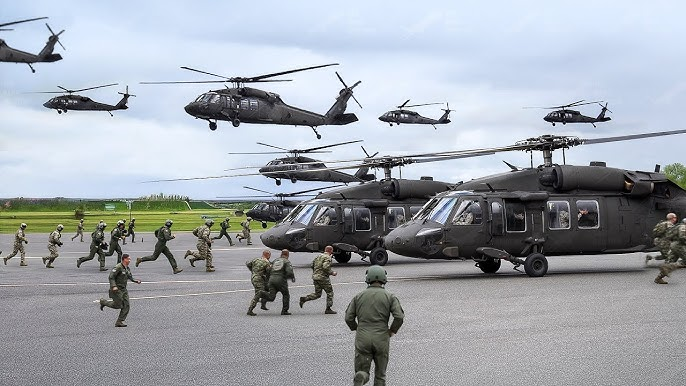
Such a record sends a strong message to both allies and adversaries about the U.S.’s readiness and capability.
Strengthening Alliances
Large-scale operations often involve joint exercises with allies, reinforcing partnerships and التعاون العسكري.
Future of Military Helicopter Operations
Increased Automation
Future developments may include:
- Autonomous flight systems
- AI-assisted navigation
- Reduced pilot workload
Integration with Drones
Helicopters are increasingly being integrated with unmanned systems for:
- Enhanced surveillance
- Coordinated attacks
- Improved efficiency
Environmental Considerations
جهود تقليل الانبعاثات
The military is exploring ways to reduce environmental impact through:
- Fuel-efficient engines
- Alternative الطاقة solutions
Sustainable Aviation
Research into sustainable aviation technologies is ongoing, aiming to balance operational needs with environmental responsibility.
Case Studies: Similar Military Exercises
Large-Scale Air Assault Drills
The United States Army regularly conducts exercises involving multiple helicopters to:
- Test readiness
- Improve coordination
- Enhance combat capabilities
Public and Media Reaction
Global Attention
The record has attracted widespread attention, highlighting the القوة العسكرية of the United States.
Strategic Messaging
Such displays serve as both operational training and strategic communication أدوات.
Conclusion: A New Benchmark in Military Aviation
The deployment of 32 helicopters in a single coordinated operation sets a new benchmark in military aviation. It showcases the قدرة of the United States to execute complex missions with precision and القوة.
As global security challenges continue to evolve, such achievements reinforce the importance of innovation, التدريب, and strategic planning in maintaining military superiority.
This record is not just a moment of achievement—it is a glimpse into the future of warfare, where coordination, technology, and speed define success.
FAQs
What record did the United States set with helicopters?
The United States set a military record by deploying 32 helicopters simultaneously in the sky, showcasing exceptional coordination, training, and operational capability.
How does this achievement compare globally?
While countries like Russia, China, and France have strong helicopter capabilities, deploying 32 helicopters simultaneously is a rare feat, highlighting the U.S.’s operational superiority.
How does this record impact U.S. military readiness?
This achievement demonstrates that the U.S. can conduct large-scale, coordinated aerial missions efficiently, enhancing both deterrence and rapid-response capabilities.








Leave a Comment