
High-Flying Threat: In a shocking incident that has left the aviation community stunned, an airline passenger allegedly hacked the in-flight Wi‑Fi system and sent a false bomb threat, sparking a nationwide security scare. The prank led to fighter jets being scrambled, airport operations being paralyzed, and passengers stranded amid panic.
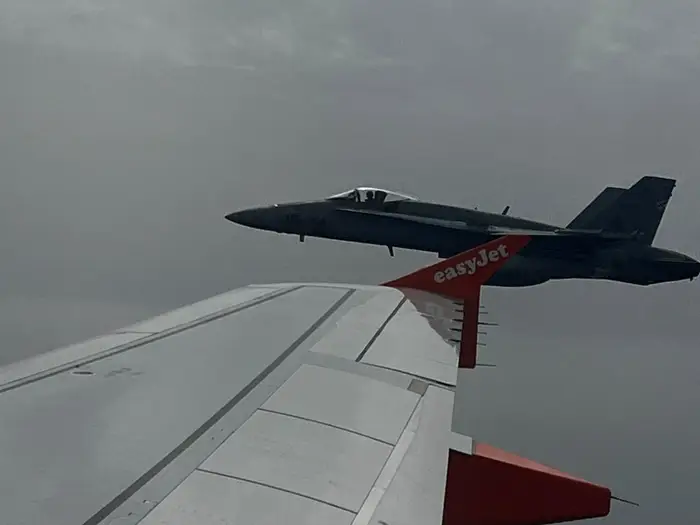
This alarming event raises serious questions about airline cybersecurity, passenger behavior, and emergency protocols, highlighting the vulnerabilities in modern aviation systems that rely heavily on digital connectivity.
In this detailed report, we explore what happened, how the hacker exploited Wi‑Fi vulnerabilities, the security response, legal repercussions, and what it reveals about the future of aviation safety.
The Incident: A Sick Joke That Sparked Chaos
The event unfolded during a domestic flight where passengers were using the airline’s Wi‑Fi network. According to reports, a passenger accessed the onboard Wi‑Fi system and sent a message claiming a bomb was on the plane.
Immediate Impact
- The flight crew immediately alerted air traffic control.
- Authorities treated the threat as credible, initiating emergency protocols.
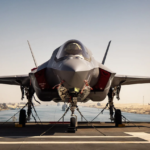
- Fighter jets were scrambled to escort the aircraft to the nearest airport for an emergency landing.
- The airport was temporarily shut down, grounding multiple flights and causing chaos for travelers.
Passengers described scenes of panic and confusion, as crew members worked to reassure travelers while security teams responded to the escalating situation.
How the Hack Occurred
Experts suggest that the passenger exploited vulnerabilities in the plane’s in-flight Wi‑Fi system. Modern aircraft often use Wi‑Fi for passenger internet, entertainment, and even communication with airline servers. While these networks are designed to be secure, the incident exposed gaps that could be exploited by tech-savvy individuals.
Possible Methods
- Unauthorized access to passenger Wi‑Fi login systems
- Exploiting unsecured communication protocols
- Sending messages through airline internal systems without authentication
While investigations are ongoing, officials confirmed that the bomb alert was false, making this a criminal act rather than an actual security threat.
Fighter Jets Scrambled: A Standard Security Response
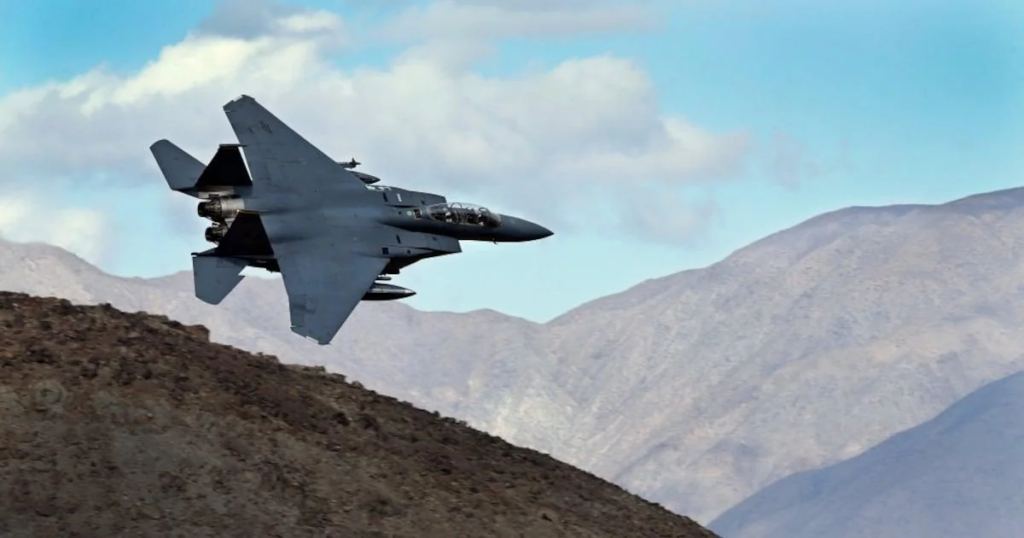
When the false bomb threat was received, the national defense protocol required an immediate response. Fighter jets were deployed to escort the plane and ensure no threat could reach populated areas.
Military Protocols
- Fighters intercept aircraft suspected of carrying explosives or posing a threat.
- Pilots maintain communication with air traffic control while assessing the situation.
- In extreme cases, jets are authorized to take further defensive measures if necessary.
In this instance, the fighter jets ensured the aircraft landed safely while minimizing risk to civilians on the ground.
Airport Shutdown and Travel Chaos
The scramble caused significant disruptions at the airport, including:
- Immediate runway closure
- Grounding of inbound and outbound flights
- Evacuation of terminal areas
- Security sweeps to ensure no other threats were present
Travelers reported delays of several hours, and the incident prompted emergency alerts across the airport network, warning passengers to remain calm while security assessed the situation.
The Legal and Criminal Implications
Authorities have confirmed that the passenger is being investigated for:
- Making a false bomb threat
- Cybercrime and unauthorized access to aviation systems
- Endangering public safety
Potential Penalties
Depending on the country’s aviation and cybersecurity laws, the passenger could face:
- Several years in prison
- Heavy fines
- Permanent criminal record affecting future travel and employment
Experts warn that airline passengers often underestimate the seriousness of such “jokes”, but aviation law treats them as severe offenses.
Cybersecurity Vulnerabilities in Modern Aviation
This incident highlights growing concerns over airline cybersecurity. In-flight Wi‑Fi and connected aircraft systems are increasingly targeted by hackers due to their potential to disrupt operations.
Common Weak Points
- Weak authentication on Wi‑Fi portals
- Insecure communication protocols between passenger and airline networks
- Lack of isolation between passenger networks and critical flight control systems
Security experts stress the need for robust cybersecurity measures and regular penetration testing to prevent malicious activities.
Passenger Awareness and Airline Responsibility
Airlines have a duty to educate passengers about proper Wi‑Fi usage and the consequences of cyber pranks. Key measures include:
- Clear terms of service for in-flight Wi‑Fi access
- Warnings about legal penalties for misuse
- Enhanced monitoring of network activity to detect suspicious behavior
Passengers, in turn, should understand that tampering with aviation systems is a serious crime, not a harmless prank.
The Role of Law Enforcement in Air Travel Security
The incident also underscores the crucial role of law enforcement in aviation safety. Agencies involved included:
- Airport security teams
- Air traffic control authorities
- Military fighter jet units
- Cybercrime investigators
Their coordinated response ensured that no passengers or civilians were harmed despite the high-stakes scenario.
The Psychological Impact on Passengers
Beyond the immediate safety concerns, events like these have a profound psychological effect on travelers. Reported impacts include:
- Anxiety and stress during the emergency
- Loss of trust in airline security
- Fear of similar incidents occurring in the future
Airlines often provide post-incident support, including counseling and reassurance about safety protocols.
Lessons Learned From the Wi‑Fi Hack Incident
This event serves as a cautionary tale for airlines, passengers, and regulators alike. Key lessons include:
1. Strengthening Cybersecurity
Airlines must continually update in-flight Wi‑Fi systems and isolate passenger networks from critical flight operations.
2. Clear Legal Communication
Passengers need to understand that false threats carry severe penalties, including imprisonment.
3. Emergency Preparedness
Airports and airlines must practice coordinated responses for false alarms to minimize disruption and panic.
4. Public Awareness
Educating the traveling public about cybersecurity risks and responsible behavior is critical to preventing future incidents.
Comparing Past Aviation Pranks and Threats
While this incident is unique in its method—hacking in-flight Wi‑Fi—aviation history includes other false alarms that have triggered emergency responses:
- Passengers claiming fake bomb threats over phone calls or messages
- Misinterpreted luggage or unattended items leading to airport lockdowns
- Social media hoaxes affecting airport operations
Experts emphasize that technology may evolve, but the consequences remain severe.
The Future of Airline Security
Airlines are increasingly adopting advanced technologies to prevent incidents like this:
- AI-powered network monitoring to detect unusual Wi‑Fi activity
- Encryption protocols for in-flight networks
- Stronger authentication systems for passengers
- Integrated communication systems with law enforcement for rapid threat verification
These innovations aim to make air travel safer while maintaining connectivity for passengers.
How Passengers Can Help Prevent Cyber Threats
Passengers are the first line of defense against misuse of in-flight technology. Simple steps include:
- Avoiding unauthorized access to airline networks
- Reporting suspicious activity to crew immediately
- Respecting Wi‑Fi usage rules
- Understanding the legal and safety consequences of cyber pranks
By practicing responsible behavior, travelers can help prevent disruptions and maintain a safe environment for everyone onboard.
Airline and Government Response
Following the incident, authorities have pledged to:
- Conduct a full investigation to identify how the passenger gained access
- Review and strengthen cybersecurity protocols
- Train flight crews to recognize and respond to cyber threats
- Implement awareness campaigns for passengers about the risks of false alarms
The coordinated response highlights the importance of preparedness and vigilance in modern aviation.
Public Reaction and Media Coverage
The incident received widespread media attention, sparking debates on social media and news outlets:
- Many condemned the passenger’s actions as irresponsible
- Security experts used the opportunity to highlight vulnerabilities
- Aviation enthusiasts discussed the need for stronger cybersecurity measures
The public discourse demonstrates that incidents like this affect both perception and policy in the aviation sector.
Legal Precedents and Case Studies
Historically, passengers making false bomb threats have faced severe legal consequences, including:
- Federal or national prison sentences
- Heavy fines
- Travel restrictions and permanent criminal records
This case may set a new precedent, especially since it involves cyber-enabled mischief rather than traditional communication methods.
The Intersection of Cybersecurity and Aviation
As aviation becomes increasingly digitized, the intersection of cybersecurity and air travel grows more critical:
- Modern aircraft rely on interconnected systems for navigation, communication, and entertainment
- Any breach, even if seemingly harmless, can trigger large-scale emergency responses
- Airlines must balance accessibility and connectivity with strict safety controls
Experts warn that the threat landscape will continue evolving, requiring constant vigilance.
Lessons for Other Industries
While this incident occurred in aviation, the implications extend to other sectors:
- Public transportation systems with digital networks
- Hospitals and healthcare facilities using connected devices
- Critical infrastructure reliant on real-time monitoring
The principle is clear: cyber pranks can have real-world consequences when systems are interconnected and safety is at stake.
Conclusion: A Sick Joke With Serious Consequences
The airline passenger who hacked the plane’s Wi‑Fi to send a false bomb alert created chaos, risked lives, and triggered a multi-agency emergency response. This incident serves as a stark reminder that digital pranks in critical environments are never harmless.
Key takeaways include:
- Aviation systems must strengthen cybersecurity to prevent unauthorized access
- Passengers need education about the severe consequences of false threats
- Emergency protocols must remain rapid and coordinated
- Collaboration between airlines, military, and law enforcement is essential for public safety
While the passenger may have intended a “joke,” the impact was real, costly, and dangerous—paralyzing airport operations and highlighting vulnerabilities that must be addressed in the digital age of aviation.
FAQs
1. What happened when the airline passenger hacked the plane’s Wi‑Fi?
The passenger accessed the in-flight Wi‑Fi and sent a false bomb threat, triggering a nationwide security alert and causing fighter jets to scramble. The airport was temporarily shut down, and multiple flights were delayed.
2. Were there any real explosives on the plane?
No. Authorities confirmed that the bomb threat was false. The incident was a criminal prank, not an actual security threat.
3. Why were fighter jets scrambled?
Scrambling fighter jets is a standard security response to potential airborne threats. The jets escorted the aircraft to ensure it landed safely while minimizing risks to people on the ground.









Leave a Comment