
Introduction: A Naval Rival in Crisis
French Navy Triumphs as Competitor Resorts to Civilian Cargo Ships: The French Navy’s strategic rivals are reportedly resorting to civilian cargo ships to supplement their naval operations, a move that has sparked widespread analysis and criticism in military circles. Experts argue that this reliance highlights weaknesses in their fleet capabilities and underlines France’s continued dominance in naval power.
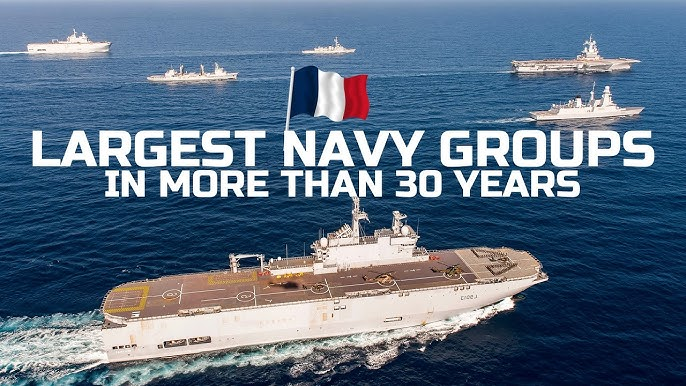
This article explores the circumstances behind this controversial decision, its implications for naval strategy, and how it could reshape power dynamics in key maritime regions.
Background: The Rival Naval Power
The nation in question has long been considered the French Navy’s primary competitor in Europe and beyond, with ambitions to expand its naval presence and challenge France’s influence. Historically, it has invested heavily in:
- Submarines and surface combatants
- Amphibious assault capabilities
- Naval aviation and missile systems
Despite these investments, recent operational assessments indicate gaps in logistical and fleet support, which may have prompted the controversial reliance on civilian shipping.
Why Civilian Cargo Ships Are Being Used
Operational Pressure
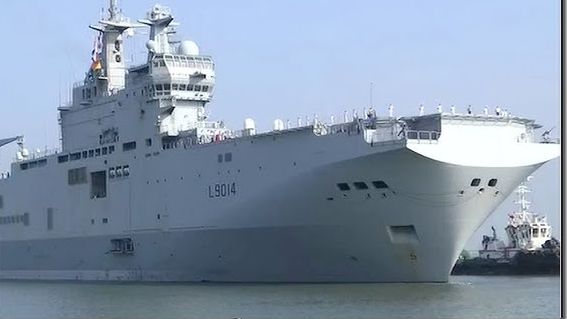
The rival navy faces growing operational demands that outstrip its current fleet capabilities. Analysts suggest that:
- There are insufficient supply and replenishment ships for extended missions
- Maintenance schedules have left gaps in readiness
- Budget constraints have limited fleet modernization
Strategic Implications
Using civilian cargo ships as support vessels can:
- Reduce operational efficiency and response times
- Increase vulnerability to threats during conflicts
- Signal logistical weakness to adversaries
This move has been interpreted by military observers as a public embarrassment for a navy that prides itself on power projection.
The French Navy’s Advantage
Modern Fleet Capabilities
The French Navy boasts a modern, versatile fleet including:
- Aircraft carriers with advanced strike capabilities
- Nuclear-powered submarines for strategic deterrence
- Advanced frigates and destroyers equipped with missile systems
Logistical Independence
Unlike its rival, France maintains a fleet of dedicated auxiliary and replenishment vessels, ensuring operational sustainability without relying on civilian support.
Strategic Reach
This capability allows France to:
- Project power across multiple oceans simultaneously
- Sustain long-term missions with minimal external support
- Respond quickly to crises in the Mediterranean, Atlantic, and Indian Oceans
Implications for Naval Strategy
Short-Term Operational Impact
- Slower response times due to the slower speeds of cargo ships
- Limited ability to transport sensitive equipment and personnel securely
- Increased risk during high-threat missions
Long-Term Reputation Damage
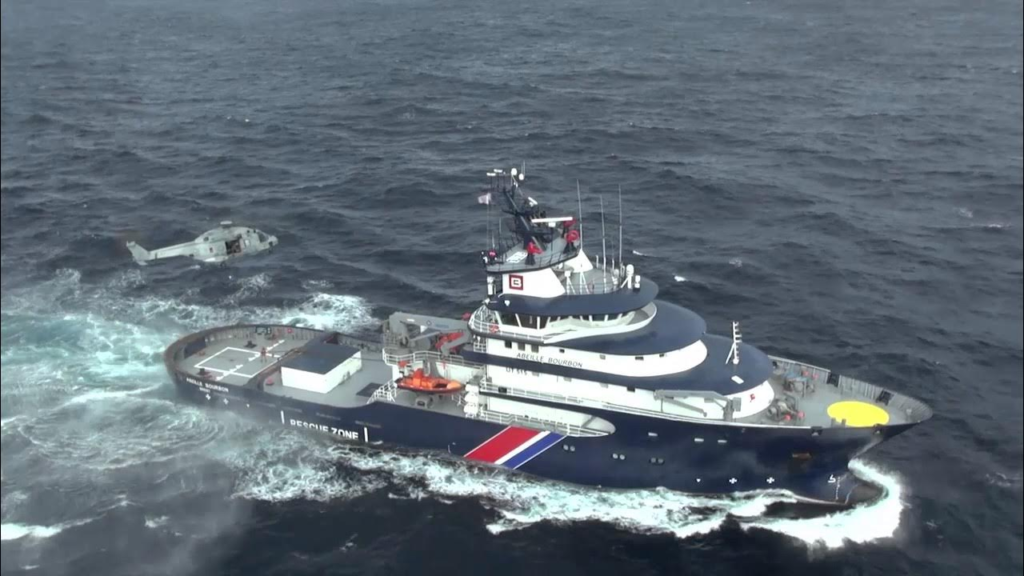
- Perceived inability to maintain an autonomous, fully operational navy
- Potential erosion of credibility among allies and adversaries
- Challenges in securing future contracts for military exports or joint operations
Historical Context: When Navies Have Used Civilian Ships
The reliance on civilian vessels is not unprecedented. Historical examples include:
- World War II requisitioning of merchant ships by various nations for troop and equipment transport
- Modern NATO exercises, where civilian shipping was occasionally used for logistics
However, experts argue that in peacetime, turning to civilian cargo ships voluntarily signals a structural weakness rather than a temporary necessity.
Expert Opinions
- Admiral Jacques Duval (Ret.), French Navy Analyst: “A navy that cannot sustain itself without civilian shipping is admitting a vulnerability that France can exploit strategically.”
- Defense Strategist Marie-Claire Leroy: “Operational reliance on commercial vessels is a blow to prestige and morale. It shows gaps in procurement and modernization.”
- International Security Consultant Thomas Beck: “This may not immediately affect capability, but in geopolitical terms, perception is critical. Rivals observing this will adjust their calculations.”
Potential Risks of Using Civilian Cargo Ships
1. Security Threats
Civilian ships are typically not designed for combat scenarios:
- Limited defensive systems
- Vulnerable to missile, torpedo, or cyber attacks
- Crews untrained for military contingencies
2. Operational Constraints
- Slower speeds and limited maneuverability
- Incompatibility with certain naval systems
- Reduced ability to operate in contested waters
3. Strategic Signaling
- Rivals and allies may perceive this as weakness
- Could affect diplomatic and military credibility
- May limit participation in international exercises or coalitions
How France Could Leverage This Situation
Demonstrating Naval Superiority
France could:
- Conduct high-profile exercises highlighting fleet autonomy
- Showcase logistical efficiency and readiness
- Reinforce strategic deterrence messaging
Strategic Diplomacy
- Offer security partnerships to smaller nations in the region
- Strengthen influence in NATO and EU maritime strategy
- Position France as a reliable maritime power compared to struggling rivals
Geopolitical Implications
The rival navy’s reliance on civilian cargo ships has broader regional consequences:
- Shifts balance of power in key maritime zones, such as the Mediterranean or North Atlantic
- Signals to allies that France maintains operational superiority
- May embolden France to secure trade routes, exercise freedom of navigation, and enhance strategic deterrence
Lessons for Modern Navies
- Fleet Readiness: Adequate auxiliary ships are essential for operational independence
- Procurement and Modernization: Continuous investment in replenishment and logistic vessels is critical
- Perception Matters: Operational choices affect credibility and diplomatic leverage
- Contingency Planning: While civilian support can be a fallback, relying on it signals a vulnerability
Conclusion: France’s Naval Rival Faces Strategic Embarrassment
The decision of a major naval competitor to turn to civilian cargo ships for support underscores the importance of fleet readiness, logistical autonomy, and strategic perception. While civilian ships may temporarily fill operational gaps, this approach exposes weaknesses that France can exploit in both strategic and reputational terms.
For the French Navy, this development reinforces its position as a modern, capable, and autonomous maritime power, able to project influence and sustain operations without external support. For the rival, it is a cautionary tale about the risks of operational shortcuts and the importance of maintaining robust military infrastructure.
FAQs
Why is the French Navy’s rival using civilian cargo ships?
The rival navy is reportedly facing logistical and fleet limitations, such as insufficient replenishment and support vessels, which has led them to rely on civilian cargo ships to maintain operations.
How does this decision affect the rival navy’s reputation?
Relying on civilian cargo ships is widely perceived as a strategic weakness, potentially lowering the rival navy’s credibility, prestige, and influence in regional and global maritime affairs.
Is using civilian ships common in naval history?
While historically nations have requisitioned merchant vessels during wars (e.g., WWII) or NATO exercises, voluntary peacetime reliance on civilian ships is rare and generally seen as a vulnerability.









Leave a Comment