
Introduction: A Strategic Leap for the UK
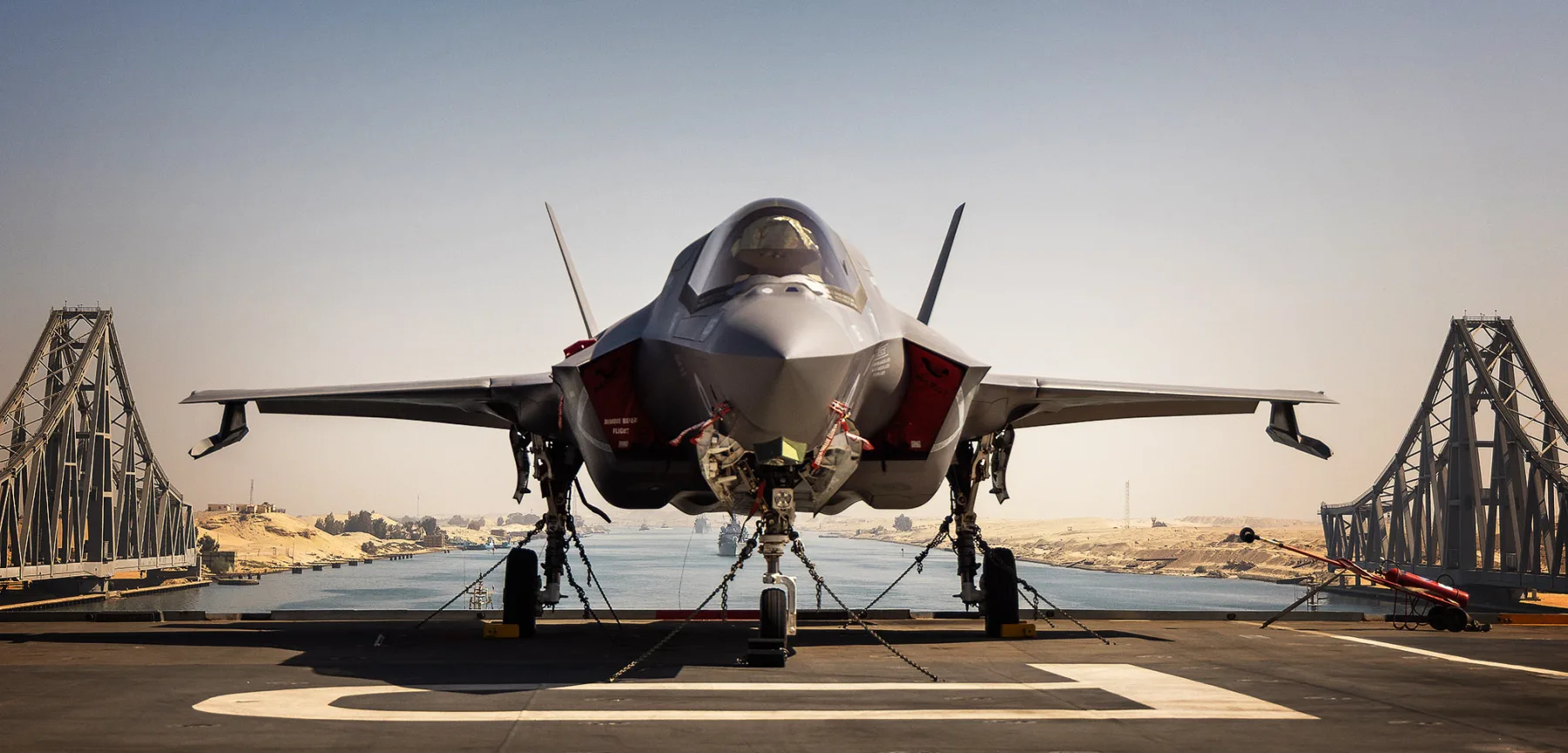
Britain’s Air Supremacy Boosted: The United States has announced plans to deliver 75 F-35 fighter jets to the United Kingdom by 2033, marking a transformative step in modernizing Britain’s Royal Air Force (RAF). This move underscores the deep military and industrial cooperation between the two nations and positions the UK to maintain air superiority in the coming decades.
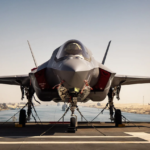
The F-35, a fifth-generation stealth fighter, brings advanced capabilities in stealth, speed, sensors, and networked warfare, enabling the RAF to face modern aerial threats with cutting-edge technology.
This article explores the details of the F-35 delivery, its impact on Britain’s air capabilities, geopolitical implications, industrial and economic effects, and the future of the UK’s air force.
What Are F-35 Fighter Jets?
Advanced Capabilities
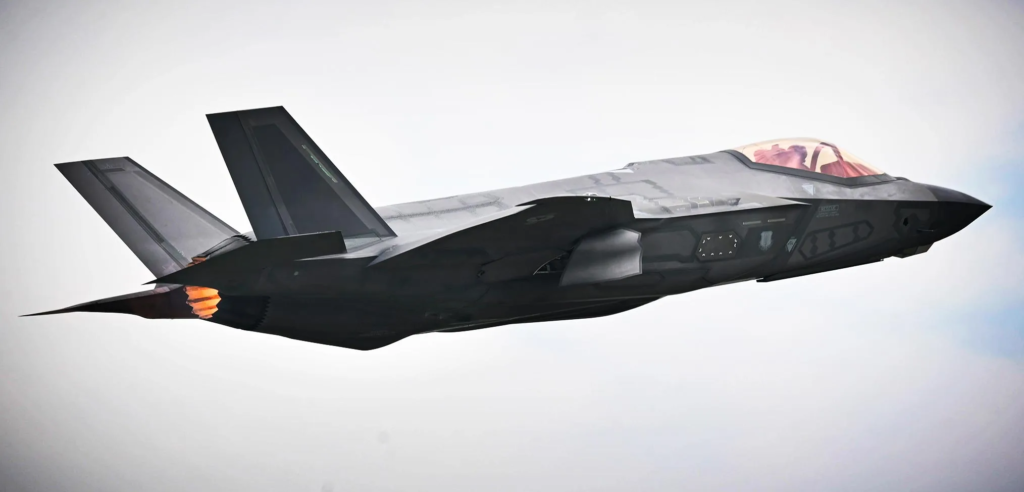
The F-35 Lightning II is a multirole stealth fighter developed by Lockheed Martin in the US, designed to perform:
- Air-to-air combat
- Precision ground strikes
- Intelligence, surveillance, and reconnaissance missions
Key Features
- Stealth technology for evading radar detection
- Advanced sensors and avionics for networked warfare
- Supersonic speed with high maneuverability
- Short takeoff and vertical landing (STOVL) for certain variants
Variants
- F-35A: Conventional takeoff and landing (used by the RAF)
- F-35B: STOVL variant for aircraft carriers
- F-35C: Carrier-based variant for the US Navy
The UK primarily operates the F-35B variant, designed for deployment on the Queen Elizabeth-class aircraft carriers.
Timeline and Delivery Plan
Order and Delivery Schedule
- Total jets: 75 F-35s
- Delivery timeline: By 2033
- Phased delivery: Incremental deliveries over the next decade to integrate into RAF squadrons gradually
Integration into the RAF
- RAF currently operates several F-35s, primarily for training and initial operational capability
- The delivery of 75 jets will allow the UK to expand operational squadrons and carrier-based deployments
- Modernization includes integration with air defense systems, carrier operations, and allied forces
Strategic Importance for the UK
Enhancing Air Superiority
The F-35 strengthens Britain’s ability to:
- Maintain air dominance over contested areas
- Conduct precision strikes with minimal detection
- Operate alongside allied forces in coalition operations
Carrier Strike Capability
- The F-35B’s STOVL capabilities allow operations from Queen Elizabeth-class aircraft carriers
- Enables rapid deployment and flexible response to global threats
- Ensures the UK remains capable of power projection in strategic regions
Modernization of the RAF
- Replacement of aging Eurofighter Typhoons in certain roles
- Networked, multi-role capability to counter future threats
- Long-term investment in fifth-generation warfare technologies
Geopolitical Implications
Strengthening US-UK Military Cooperation
- Reinforces transatlantic defense ties under NATO
- Enhances interoperability between US and UK air forces
- Signals commitment to joint strategic initiatives in Europe and beyond
Global Deterrence
- F-35 deployment positions the UK as a capable deterrent against potential adversaries
- Supports NATO’s air defense posture in Europe
- Contributes to regional stability in the North Atlantic and Mediterranean
Strategic Messaging
- Demonstrates the UK’s commitment to modernized, high-tech defense
- Highlights the role of aircraft carriers and expeditionary air power
- Signals to potential adversaries that the UK is investing in long-term air superiority
Industrial and Economic Impact
Domestic Industry
- Rolls-Royce, BAE Systems, and other UK firms contribute to engine production, avionics, and airframe components
- Creates thousands of jobs in manufacturing, maintenance, and research
- Strengthens Britain’s defense industrial base and technological capabilities
R&D and Innovation
- Opportunities for UK engineers to work on cutting-edge avionics, stealth, and electronic warfare technologies
- Collaboration with US contractors enhances technological expertise
- Promotes long-term innovation in aerospace and defense sectors
Export and Strategic Partnerships
- Experience with F-35 systems positions the UK as a potential partner for allied nations
- Enhances the UK’s credibility in global defense markets
Operational Advantages of the F-35
Stealth and Survivability
- Advanced radar-evading technology ensures survivability in contested airspace
- Reduced signature makes it difficult for enemy air defense systems to detect or target
Networked Warfare
- The F-35 integrates into joint combat networks, sharing real-time intelligence with other aircraft, ships, and ground units
- Enhances situational awareness and precision strike capability
Multirole Flexibility
- Air-to-air combat, ground attack, and intelligence-gathering missions in a single platform
- Reduces the need for multiple specialized aircraft
- Provides a versatile response to evolving threats
Challenges and Considerations
Cost and Budget
- F-35 acquisition and maintenance are expensive, requiring long-term financial commitment
- Lifecycle costs include training, spares, software updates, and sustainment
Training and Integration
- Pilots and ground crews require extensive training to operate F-35 systems effectively
- Integration into RAF operational doctrine and carrier operations is ongoing
Technological Dependencies
- Reliance on US technology for software updates, logistics, and support
- Ensuring security of sensitive systems in joint operations
Expert Opinions
- Air Force Analyst Dr. Helen Carter: “The F-35 will transform the RAF’s operational capability, providing unmatched stealth, sensors, and versatility.”
- Defense Strategist Michael Johnson: “This delivery ensures that Britain maintains a credible air deterrent well into the 2030s, while strengthening NATO interoperability.”
- Aerospace Industry Consultant Sarah Thompson: “The program not only boosts the UK’s air force but also drives technological innovation and domestic industrial growth.”
Future Prospects for the RAF
Carrier Strike Expansion
- F-35B integration enhances the operational capability of Queen Elizabeth-class carriers
- Enables rapid deployment for global missions
Long-Term Air Force Modernization
- By 2033, the RAF will have a balanced fleet of F-35s and Typhoons, providing flexibility and redundancy
- Supports multi-domain operations alongside cyber, naval, and ground forces
Technological Upgrades
- Continuous software and avionics upgrades keep the F-35 capable of countering emerging threats
- Potential integration with drones, AI systems, and electronic warfare platforms
Lessons and Takeaways
- Strategic investments in advanced aircraft secure long-term national defense capabilities
- Close US-UK cooperation strengthens interoperability and industrial ties
- Fifth-generation fighters like the F-35 are central to future air dominance and coalition operations
- Balancing modernization, cost, and industrial benefits ensures sustainable capability
Conclusion: A Transformative Era for Britain’s Air Force
The delivery of 75 F-35 fighter jets by 2033 represents a historic modernization of the RAF, enhancing the UK’s air superiority, global reach, and strategic deterrence.
With cutting-edge stealth, networked warfare capabilities, and carrier strike integration, the F-35 positions Britain as a high-tech, flexible, and formidable air power. This program not only strengthens defense capabilities but also drives domestic industry, technological innovation, and NATO interoperability, ensuring that the UK remains at the forefront of modern air warfare for decades to come.
FAQs
1. How many F-35 fighter jets will the UK receive from the US?
The UK is set to receive 75 F-35 fighter jets from the United States by 2033.
2. Which variant of the F-35 will the UK operate?
The UK primarily operates the F-35B variant, which features short takeoff and vertical landing (STOVL) capabilities suitable for operations from Queen Elizabeth-class aircraft carriers.
3. How will the F-35 integrate with the UK’s aircraft carriers?
The F-35B’s STOVL capability allows it to operate from Queen Elizabeth-class carriers, enabling rapid deployment, carrier strike operations, and enhanced global reach.









Leave a Comment