
Introduction
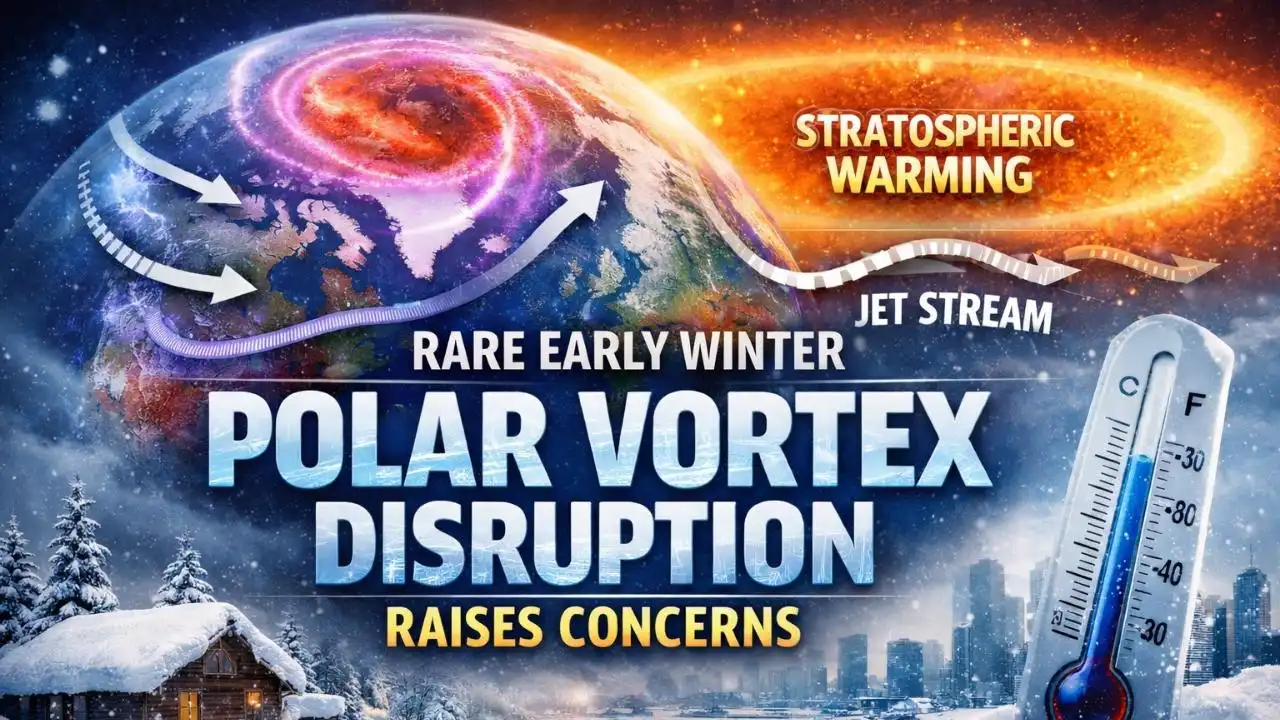
Fierce Polar Vortex Upheaval: A powerful and highly unusual weather phenomenon is unfolding this February, capturing the attention of meteorologists and climate experts worldwide. A major disruption in the Polar Vortex is rapidly approaching, and early data suggests that this year’s event could be one of the strongest in recent history.
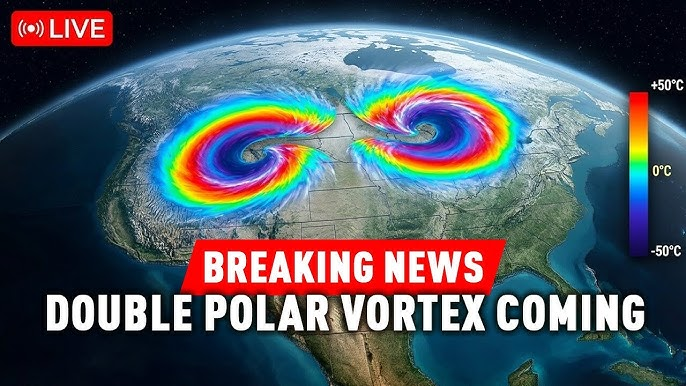
This rare atmospheric disturbance has the potential to unleash extreme cold temperatures, unusual storm patterns, and widespread weather instability across large parts of the Northern Hemisphere. In this in-depth article, we explore what a polar vortex disruption is, why this particular event is so significant, and what it could mean for weather patterns in the coming weeks.
What Is the Polar Vortex?
Understanding the Basics
The polar vortex is a large area of low pressure and cold air surrounding the Earth’s poles. It exists year-round but becomes especially strong during winter months. Normally, the vortex remains stable, keeping frigid air locked near the Arctic.
However, when disrupted, this cold air can spill southward into regions that typically experience milder winter conditions.
Structure and Behavior
The polar vortex is not a single storm but a complex atmospheric system located in the stratosphere, about 10 to 50 kilometers above the Earth’s surface. It is driven by strong westerly winds that circulate around the Arctic.
When these winds weaken or reverse, the vortex can become unstable—leading to what scientists call a “sudden stratospheric warming” event.
What Makes This February Event So Unusual?
Timing of the Disruption
Polar vortex disruptions are not unheard of, but they typically occur earlier in winter, such as December or January. A strong disruption in February is relatively rare and can have different consequences due to seasonal transitions already underway.
Exceptional Strength
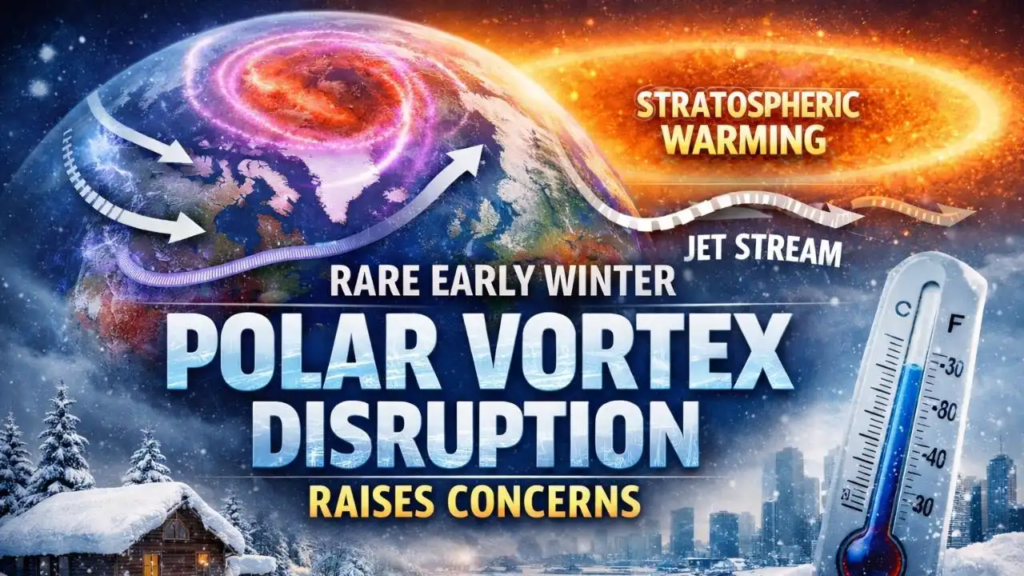
Experts have noted that this year’s disruption is unusually powerful. Key indicators include:
- Rapid temperature increases in the stratosphere
- Significant weakening of high-altitude winds
- Evidence of vortex splitting or displacement
These factors suggest that the event is not only happening but doing so with remarkable intensity.
Sudden Stratospheric Warming (SSW)
One of the main drivers behind this disruption is a phenomenon known as Sudden Stratospheric Warming. During an SSW event:
- Temperatures in the stratosphere can rise by 30–50°C within days
- Wind patterns reverse direction
- The polar vortex becomes unstable or splits into multiple lobes
This chain reaction is what allows cold Arctic air to escape southward.
How Does a Polar Vortex Disruption Affect Weather?
Cold Air Outbreaks
When the vortex weakens or splits, cold air masses can move into lower latitudes. This can result in:
- Severe cold waves
- Record-breaking low temperatures
- Frost and freeze events in unusual regions
Increased Storm Activity
The disruption also affects the jet stream, a fast-flowing air current that influences weather systems. A weakened or wavy jet stream can lead to:
- Prolonged storms
- Heavy snowfall
- Unusual rainfall patterns
Regional Variability
Not all areas will experience cold conditions. Some regions may actually see warmer-than-average temperatures due to shifts in atmospheric circulation.
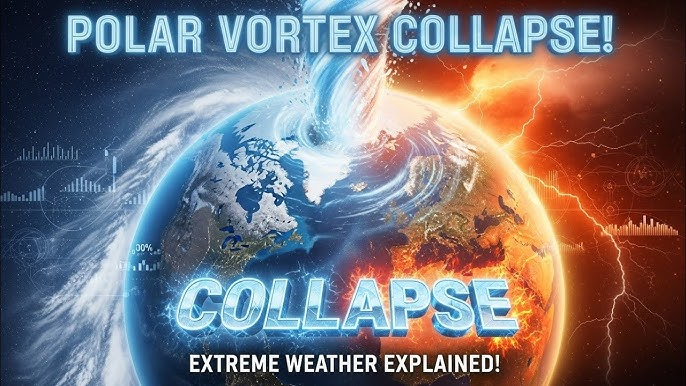
Potential Global Impacts
North America
Historically, polar vortex disruptions have brought intense cold spells to parts of the United States and Canada. This year could see:
- Arctic blasts reaching deep into southern regions
- Increased snowfall in the Midwest and Northeast
- Infrastructure strain due to extreme cold
Europe
Europe may also experience dramatic weather shifts, including:
- Cold air intrusions into central and western regions
- Snowstorms in areas that typically see mild winters
- Energy demand spikes
Asia
Parts of Asia, including regions near India and East Asia, could see indirect effects such as:
- Altered wind patterns
- Changes in precipitation
- Temperature fluctuations
Why Experts Are Concerned
Climate Change Connection
While individual polar vortex events are natural, scientists are increasingly studying how Climate Change may be influencing their frequency and intensity.
Some research suggests that warming in the Arctic may weaken the polar vortex, making disruptions more likely.
Infrastructure and Preparedness
A strong polar vortex disruption can have serious consequences:
- Power outages due to increased demand
- Transportation disruptions
- Agricultural damage
Preparedness is key, especially in regions unaccustomed to extreme cold.
How Long Will the Effects Last?
Short-Term vs Long-Term Impacts
The initial disruption occurs in the stratosphere, but its effects can take days or even weeks to reach the surface.
Once it does, the impacts can persist for several weeks, depending on how the atmospheric patterns evolve.
Lag Effect
There is often a delay of 1–3 weeks between the onset of a sudden stratospheric warming event and noticeable changes in surface weather.
This means the most significant impacts may still be ahead.
Signs to Watch For
Weather Indicators
Meteorologists are closely monitoring:
- Jet stream shifts
- Temperature anomalies
- Pressure changes
These indicators help predict where and how the cold air will move.
Forecast Updates
Given the complexity of the atmosphere, forecasts may change rapidly. Staying updated with reliable weather sources is crucial.
How to Prepare for a Polar Vortex Event
For Individuals
- Dress in layers and protect exposed skin
- Stock up on essentials
- Ensure heating systems are functioning properly
For Businesses
- Prepare contingency plans
- Monitor supply chains
- Protect infrastructure from freezing conditions
For Governments
- Issue timely warnings
- Ensure energy supply stability
- Support vulnerable populations
Historical Context
Past Polar Vortex Events
Several notable polar vortex disruptions have occurred in recent years, including:
- 2014 North American cold wave
- 2018 “Beast from the East” in Europe
- 2021 Texas cold wave
These events highlight the potential severity and wide-reaching impacts of such disruptions.
Lessons Learned
Past events have emphasized the importance of:
- Early warning systems
- Infrastructure resilience
- Public awareness
The Science Behind the Phenomenon
Atmospheric Dynamics
The polar vortex is influenced by complex interactions between:
- Temperature gradients
- Earth’s rotation
- Atmospheric waves
Role of Planetary Waves
Large-scale atmospheric waves, known as Rossby waves, can disturb the vortex. When these waves become amplified, they can trigger sudden stratospheric warming.
What This Means for the Future
Increasing Uncertainty
As global climate patterns evolve, predicting polar vortex behavior may become more challenging.
Need for Advanced Forecasting
Improved models and satellite data are helping scientists better understand and anticipate these events.
Conclusion
This February’s polar vortex disruption is shaping up to be a rare and powerful atmospheric event with potentially far-reaching consequences. Its unusual timing, exceptional strength, and connection to broader climate dynamics make it a critical phenomenon to watch.
While not all regions will experience extreme cold, the ripple effects of this disruption could influence weather patterns across the globe. Staying informed, prepared, and aware of evolving forecasts will be essential in the coming weeks.
As scientists continue to study the intricacies of the Polar Vortex, one thing remains clear: events like this remind us of the immense power and complexity of Earth’s atmosphere.
FAQs
1. What is a polar vortex disruption?
A polar vortex disruption occurs when the Polar Vortex weakens or becomes unstable. This allows extremely cold Arctic air to move southward into regions that normally experience milder weather.
2. Why is this February’s polar vortex event considered unusual?
This event is unusual because of both its timing and intensity. Strong disruptions typically happen earlier in winter, but this February event is occurring late in the season and is being driven by a powerful Sudden Stratospheric Warming, making it exceptionally strong.
3. What is sudden stratospheric warming (SSW)?
Sudden Stratospheric Warming is a rapid increase in temperatures in the stratosphere, often rising by 30–50°C in just a few days. This disrupts wind patterns and can weaken or split the polar vortex.








Leave a Comment