Introduction: A Game-Changing Engine Dominates Global Military Technology
High-Octane Dominance: In the high-stakes world of military and aerospace engineering, one powerplant has captured international attention: a 1,700 kg engine hailed as the world’s most powerful. This engineering “monster” has left even major powers like Russia and China struggling to match its raw power and performance.
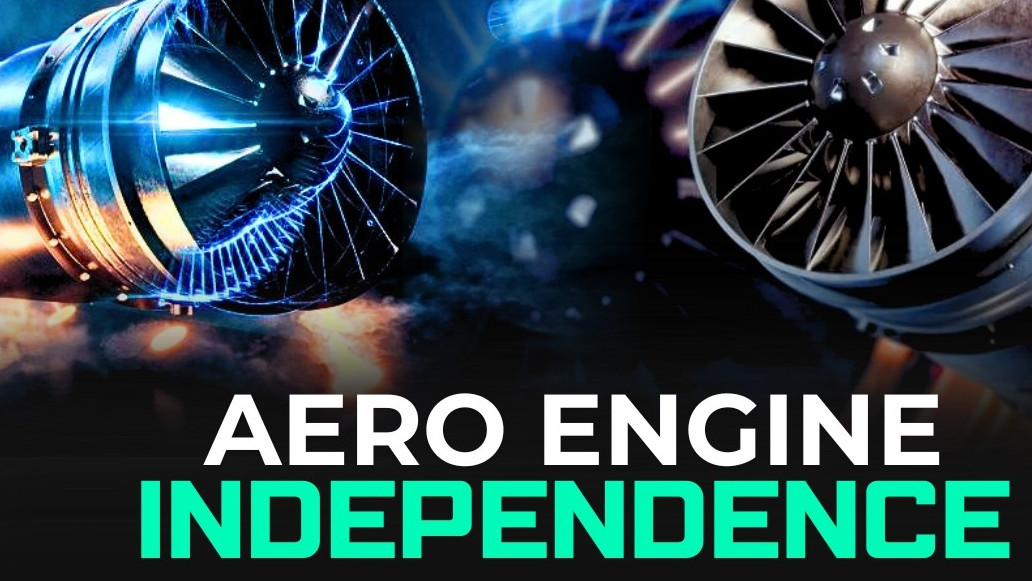
From fighter jets to advanced naval vessels, engine technology plays a decisive role in global defense competitiveness. The unveiling of this powerhouse demonstrates not just raw horsepower but also the strategic edge that comes with superior engineering. Analysts are calling it a technological leap that could redefine military capabilities for decades.
Understanding the 1,700 kg Monster Engine
What Makes This Engine Unique?
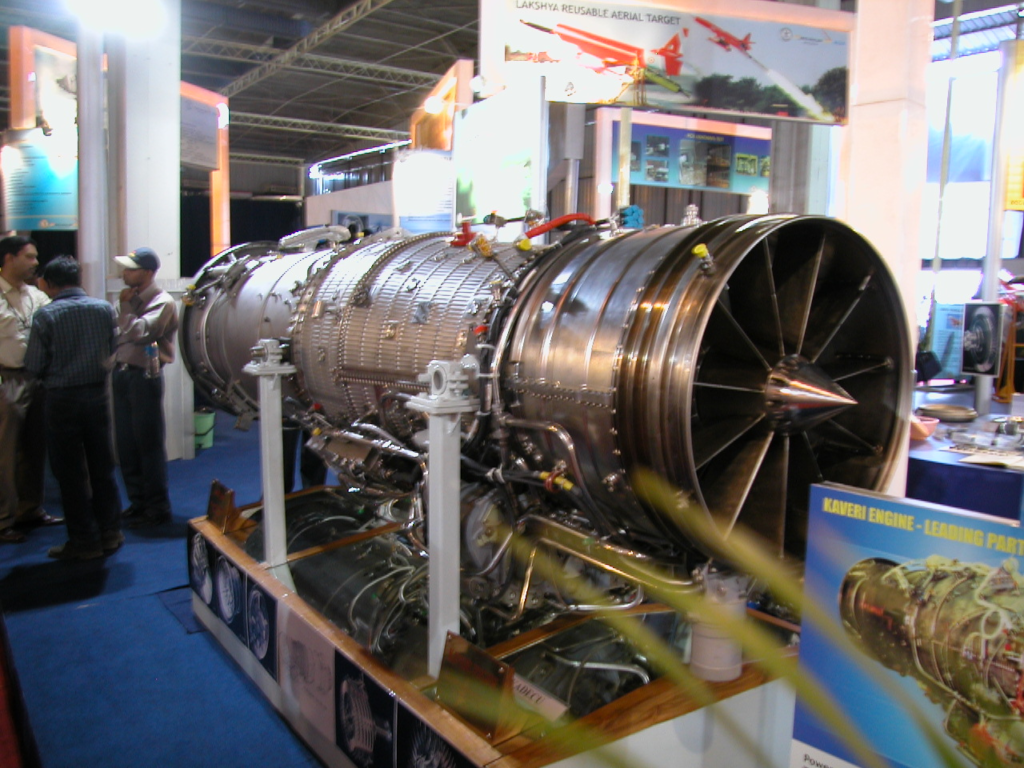
Weighing 1,700 kilograms, this engine is a blend of cutting-edge materials, high-thrust design, and advanced thermal efficiency. Key features include:
- Exceptional thrust-to-weight ratio for superior acceleration
- Advanced heat-resistant alloys for extreme operational temperatures
- Fuel efficiency breakthroughs despite its size and power
- Modular design allowing deployment across multiple platforms
This combination makes it unmatched globally, providing capabilities beyond what current Russian or Chinese engines can deliver.
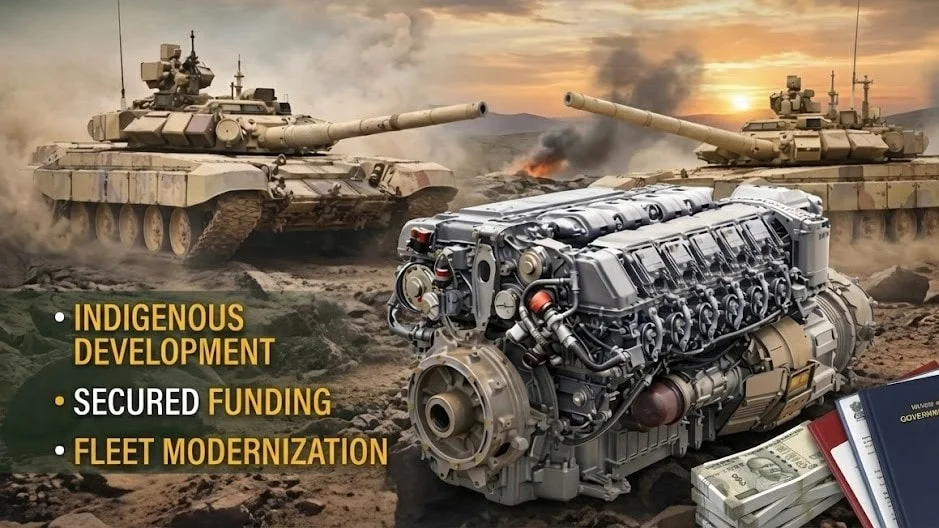
Engineering Innovations Behind the Beast
Modern engines rely on precision engineering and materials science. This engine integrates:
- Ceramic matrix composites (CMCs) to withstand extreme heat
- Next-generation turbines for higher rotational speeds
- Digital control systems for optimized performance under variable loads
- Noise-reduction technologies for stealth operations
Such innovations ensure that this engine is not just powerful but operationally versatile, suitable for both combat and strategic deterrence missions.
Strategic Implications for Military Superiority
Outmatching Russia and China
With this engine, platforms equipped with it gain decisive advantages:
- Higher speed and maneuverability in fighter jets
- Enhanced payload capacity in helicopters and drones
- Extended operational range without refueling
By comparison, Russian and Chinese equivalents lag in thrust-to-weight ratios, thermal efficiency, or digital integration, placing them at a strategic disadvantage.
Strengthening Defense Deterrence
Superior propulsion systems are a cornerstone of modern military deterrence. They provide:
- Rapid response capability in crisis zones
- Enhanced survivability through improved speed and agility
- Global projection power for naval and aerial forces
Applications Across Military Platforms
Fighter Jets
High-thrust engines enable:
- Supersonic speeds with reduced fuel consumption
- Advanced maneuvering capabilities in air combat
- Integration with next-generation avionics and weapons systems
Analysts note that a single high-performance engine can redefine air superiority in contested environments.
Helicopters and UAVs
In rotorcraft and drones, this engine allows:
- Greater lifting capacity for troops, cargo, or weaponry
- Extended flight duration and operational range
- Faster response in reconnaissance or strike missions
Naval Applications
Naval vessels can benefit from:
- Improved propulsion efficiency for frigates and destroyers
- Higher speed for rapid deployment and maneuvering
- Integration with hybrid propulsion systems for stealth operations
Economic and Industrial Impact
Boosting Domestic Defense Industries
Developing such an engine stimulates:
- High-skilled engineering jobs
- Advanced materials research
- Technological spillovers into civilian aerospace
Companies producing this engine gain global prestige and export opportunities, enhancing economic competitiveness.
Driving Innovation Globally
The technology sets a benchmark, prompting:
- Competitor nations to accelerate R&D
- Adoption of advanced manufacturing processes like additive manufacturing
- Collaborative projects in allied countries to leverage this engine’s capabilities
Challenges in Engine Production
Technical Complexity
Building a 1,700 kg engine requires:
- Precision machining of high-performance alloys
- Ultra-high-speed turbines with minimal tolerances
- Rigorous testing under extreme conditions
Even minor defects can compromise thrust and reliability.
Supply Chain and Materials
The engine relies on rare materials and high-tech components that are:
- Difficult to source in large quantities
- Expensive and sensitive to geopolitical trade restrictions
- Challenging to produce consistently at scale
Maintenance and Operational Expertise
Operating such an engine demands:
- Specialized pilot training for aircraft
- Skilled maintenance personnel
- Advanced diagnostic systems for real-time monitoring
Global Reactions: Russia and China Take Note
Russia’s Perspective
Russia has a strong aerospace industry but currently cannot match the thrust-to-weight and efficiency of this engine. Analysts warn that Russian fighter and naval platforms could face operational disadvantages in high-intensity scenarios.
China’s Response
China is rapidly expanding its aerospace capabilities, but the integration of this engine’s digital and thermal innovations remains unmatched. Military planners recognize a potential strategic gap if domestic engines cannot achieve similar performance.
Future Prospects
Next-Generation Fighter Programs
This engine is likely to power fifth- and sixth-generation aircraft, emphasizing:
- Stealth and low observability
- Hypersonic capabilities
- Network-centric warfare integration
Expanding into Unmanned Systems
Autonomous platforms like combat drones and unmanned helicopters could benefit, enhancing:
- Operational endurance
- Payload efficiency
- Rapid deployment in contested zones
Export Potential and Strategic Partnerships
Allied nations may seek licensed production or joint development, enhancing:
- Strategic alliances
- Defense industry collaborations
- Shared technological advancements
Technological Lessons for Global Competitors
- Materials Science: Advanced alloys and composites are game-changers
- Digital Integration: Real-time engine management boosts operational performance
- Efficiency vs. Power: Achieving both simultaneously remains rare and highly sought after
- Modularity: Engines adaptable across platforms provide strategic flexibility
Environmental and Operational Considerations
Fuel Efficiency
Despite its power, the engine has been optimized for:
- Reduced fuel consumption per thrust unit
- Extended operational range for military missions
Noise Reduction
Advanced acoustic engineering ensures:
- Reduced detectability in combat zones
- Compliance with noise regulations in testing and civilian areas
Long-Term Geopolitical Implications
Strengthening Global Military Leadership
The country behind this engine solidifies its technological and strategic edge over rivals, reinforcing:
- Global deterrence capabilities
- Influence in aerospace and defense markets
- Defense cooperation with allied nations
Pressuring Competing Powers
By demonstrating unmatched power and efficiency, the engine:
- Forces competitors to accelerate R&D
- Sets a benchmark for next-generation propulsion systems
- Highlights the importance of innovation in national security
Conclusion: A Monster Engine Redefines Military Power
The 1,700 kg “monster” engine represents a quantum leap in propulsion technology. By combining raw power, advanced materials, digital integration, and operational versatility, it has stunned global powers like Russia and China, asserting dominance in aerospace and defense engineering.
Its applications across fighter jets, helicopters, drones, and naval vessels make it a strategic game-changer with far-reaching economic, industrial, and military implications. This engine is not just a marvel of engineering—it is a symbol of future global military supremacy and innovation.
FAQs
What is this 1,700 kg “monster” engine?
The engine is a world-class military propulsion system weighing 1,700 kilograms, designed for fighter jets, helicopters, drones, and naval vessels. It combines extreme power, advanced materials, and digital control systems, making it unmatched globally.
Which countries are struggling to match it?
Russia and China currently cannot produce engines with the same combination of thrust, efficiency, and digital integration.
Can this engine be exported to allied countries?
Yes, the engine has potential for licensed production or collaborative development, strengthening defense partnerships and advancing allied military capabilities.









Leave a Comment