
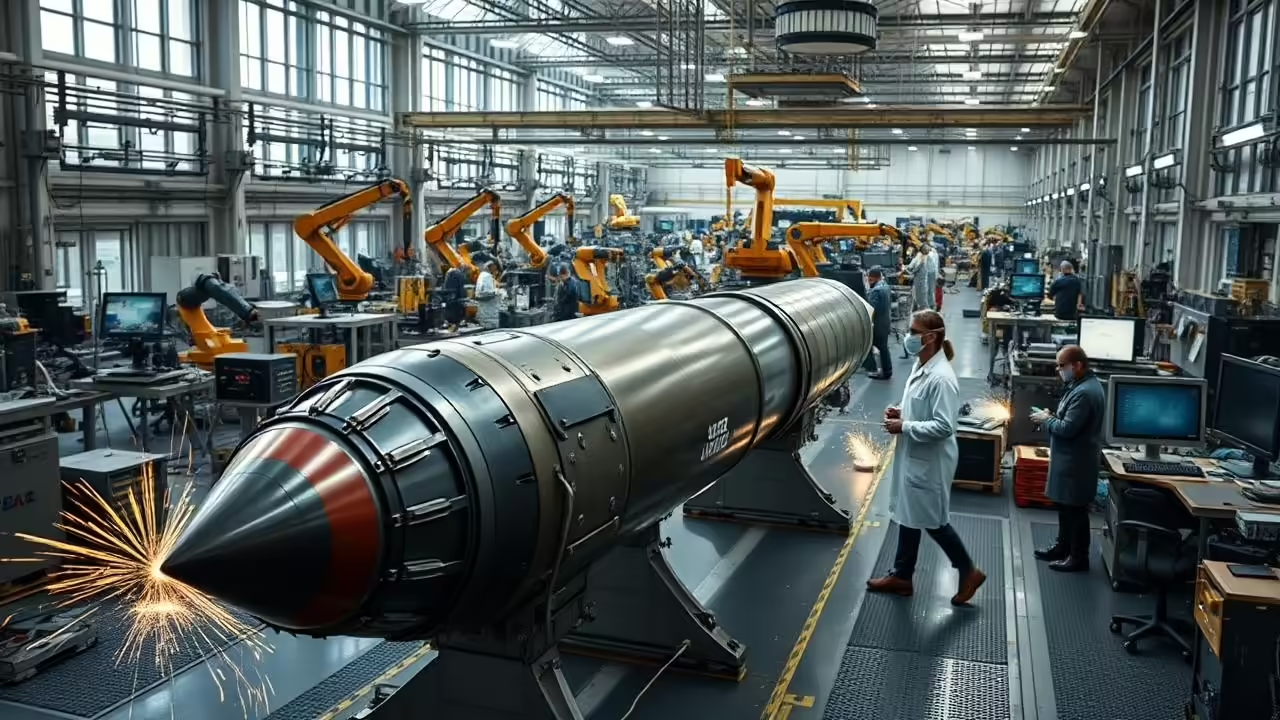
Introduction: A Strategic Shift in UK Defense Policy
Explosive Growth Strategy: In a bold and transformative move, the United Kingdom has announced a €1.7 billion investment aimed at revitalizing its domestic arms industry—specifically focusing on restoring intensive explosive production capabilities. This decision signals a significant shift toward defense self-reliance amid rising global security challenges.

As geopolitical tensions intensify and supply chain vulnerabilities become more apparent, the UK is positioning itself to regain control over critical defense manufacturing. This move not only strengthens national security but also reshapes the future of the British defense sector.
Why the UK Is Reinvesting in Its Arms Industry
Lessons from Recent Global Conflicts
Recent conflicts, particularly the ongoing war involving Ukraine, have exposed the importance of maintaining robust domestic production of munitions and explosives.
Key lessons include:
- High consumption rates of ammunition in modern warfare
- Dependence on foreign suppliers can create strategic risks
- Need for rapid replenishment capabilities
These realities have pushed the UK to reassess its defense manufacturing strategy.
Reducing Dependence on External Suppliers
For years, the UK has relied on international supply chains for critical defense components. However, disruptions caused by global crises have highlighted the risks of such dependence.
By investing €1.7 billion, the UK aims to:
- Strengthen domestic production capacity
- Ensure supply chain resilience
- Reduce reliance on imports
Breakdown of the €1.7 Billion Investment
Focus on Explosives and Munitions
The funding will primarily target:
- Production of high-grade explosives
- Manufacturing of artillery shells and ammunition
- Upgrading existing facilities
This initiative is expected to significantly increase the UK’s ability to meet both domestic and allied defense demands.
Modernization of Infrastructure
A portion of the investment will go toward modernizing production facilities, including:
- Automation and advanced manufacturing technologies
- Enhanced safety systems
- Environmentally sustainable processes
Workforce Development
The plan also includes:
- Training skilled workers
- Creating new jobs in the defense sector
- Supporting local economies
Key Players in the UK Defense Industry
Role of Major Defense Companies
The UK’s defense revival will involve collaboration with leading companies such as:
- BAE Systems
- Rolls-Royce Holdings
These firms bring decades of expertise and innovation, making them central to the success of the initiative.
Government and Defense Agencies
The UK government, along with defense institutions, will oversee the implementation of this investment, ensuring alignment with national security objectives.
Strategic Importance of Explosive Production
Backbone of Military Operations
Explosives are essential for:
- Artillery systems
- Missile warheads
- Demolition and engineering operations
Without a steady supply, military readiness can be severely compromised.
Supporting NATO Commitments
As a key member of the NATO, the UK has obligations to support collective defense efforts. Strengthening its arms industry enables the country to contribute more effectively to allied operations.
Economic Impact of the Investment
Job Creation and Regional Growth
The €1.7 billion injection is expected to:
- Create thousands of jobs
- Revitalize industrial regions
- Boost local economies
Strengthening the Manufacturing Sector
This initiative will also:
- Enhance the UK’s industrial base
- Promote innovation in manufacturing
- Increase export potential
Global Context: A Growing Arms Race?
Rising Defense Spending Worldwide
Countries across the globe are increasing defense budgets in response to evolving threats. The UK’s move aligns with this broader trend.
Competition with Other Nations
The UK’s investment positions it alongside major defense players such as:
- United States
- France
- Germany
These nations are also expanding their defense capabilities.
Challenges Facing the Initiative
Supply Chain Constraints
Even with domestic production, challenges remain:
- Access to raw materials
- Global supply disruptions
- Cost fluctuations
Environmental and Regulatory Concerns
Explosive production involves:
- Strict safety regulations
- Environmental impact considerations
Balancing growth with sustainability will be crucial.
Skilled Labor Shortage
The defense sector requires highly specialized skills, and attracting talent may pose challenges.
Technological Advancements in Explosives
Smarter and Safer Munitions
Modern explosives are becoming:
- More precise
- Safer to handle
- Environmentally friendly
Integration with Digital Systems
Advancements include:
- स्मार्ट targeting systems
- Data-driven manufacturing
- Enhanced सुरक्षा measures
Geopolitical Implications
Strengthening National Security
By investing in its arms industry, the United Kingdom enhances its ability to respond to threats independently.
Influence on Global Defense Markets
This move could:
- Increase UK exports
- Shift market dynamics
- Strengthen alliances
Future Outlook: What Lies Ahead?
Long-Term Defense Strategy
The investment is part of a broader strategy to:
- Modernize the military
- تعزيز technological leadership
- Ensure long-term security
Potential for Export Growth
With increased production capacity, the UK could become a major exporter of munitions and explosives.
Collaboration with Allies
The UK is likely to collaborate with partners within NATO and beyond to strengthen collective defense.
Strategic Recommendations for the UK
Invest in Innovation
Continuous R&D will be essential to stay competitive.
Strengthen Public-Private Partnerships
Collaboration between government and industry can accelerate progress.
Focus on Sustainability
Adopting green technologies will help address environmental concerns.
Conclusion: A decisive Moment for the UK Defense Industry
The €1.7 billion investment marks a turning point for the United Kingdom as it seeks to reclaim control over its arms industry.
By revitalizing explosive production, the UK is not only enhancing its national security but also positioning itself as a stronger player in the global defense market. While challenges remain, the long-term benefits—economic, strategic, and technological—are substantial.
This bold move reflects a broader global trend toward defense self-sufficiency and signals the beginning of a new era in military manufacturing.
FAQs
Why is the UK investing €1.7 billion in its arms industry?
The United Kingdom is investing €1.7 billion to restore domestic explosive and munitions production, reduce reliance on foreign suppliers, and strengthen national security amid rising global tensions.
How does this investment impact NATO commitments?
As a member of NATO, the UK must support collective defense efforts. Increased production capacity allows the UK to supply munitions to allies and strengthen NATO’s overall capabilities.
What global events influenced this decision?
Conflicts such as the war involving Ukraine have highlighted the need for large-scale ammunition production and exposed weaknesses in global supply chains.











Leave a Comment