
Introduction: A Discovery That Changed Everything
Astonishing Find: In the vast, sun-scorched landscapes of Australia, treasure hunters and prospectors have long chased dreams of striking it rich. Gold rush legends still echo across the outback, inspiring modern adventurers to search for fortune beneath the earth’s surface. But in one extraordinary case, a man searching for gold stumbled upon something far more valuable — not just in monetary terms, but in scientific significance.
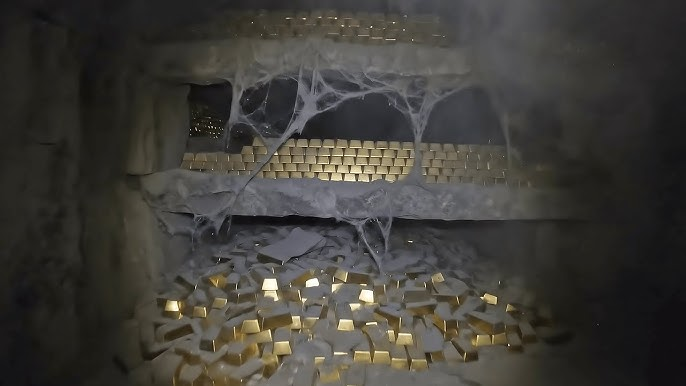
What he believed to be an ordinary, heavy gold nugget turned out to be something far rarer: a meteorite, a fragment of the solar system itself. This remarkable story is not just about mistaken identity, but about curiosity, persistence, and the hidden wonders lying right beneath our feet.
The Australian Goldfields: A Treasure Hunter’s Paradise
Australia is one of the world’s most famous gold-producing regions. Areas like Victoria’s goldfields have yielded countless fortunes since the 19th-century gold rush. Even today, hobbyists and professional prospectors roam these lands with metal detectors, hoping to uncover hidden riches.
The terrain is ideal for treasure hunting — dry, mineral-rich soil, scattered with ironstone and quartz. However, this environment also makes it easy to confuse different types of rocks and metals, especially for those relying on surface appearance alone.
That’s exactly what happened in this unusual case.
The Mysterious Rock: A “Gold Nugget” Like No Other
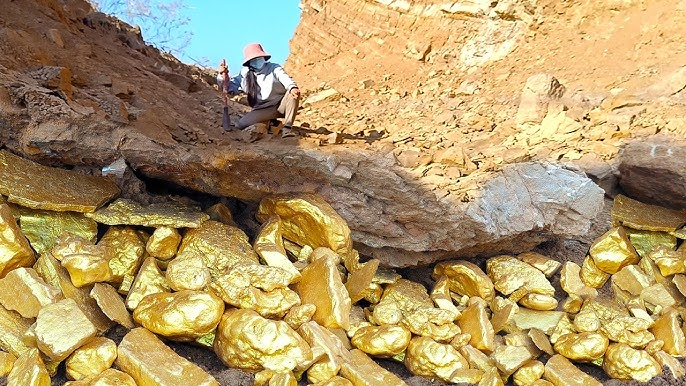
The man, an amateur prospector, discovered a dense, reddish-brown rock while scanning the ground with his metal detector. It was unusually heavy for its size — one of the classic indicators of gold.
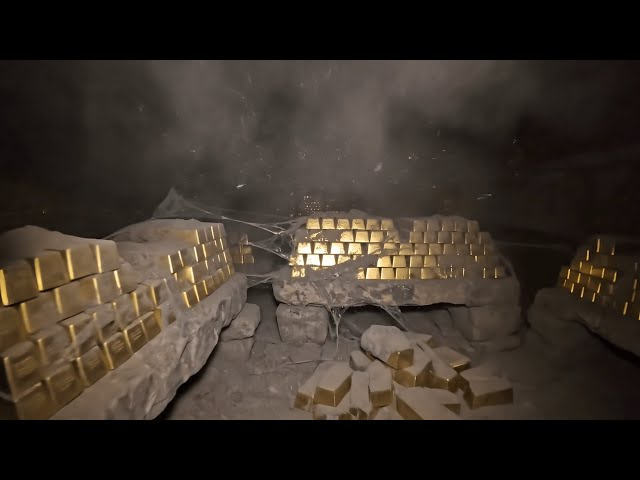
Excited by his find, he assumed he had stumbled upon a valuable nugget. But there was a problem.
Despite multiple attempts, he couldn’t break it open.
He tried everything:
- Rock saws
- Grinders
- Even acid tests
Nothing worked. The object was incredibly tough — far more resilient than typical gold-bearing rocks.
Still convinced it might contain gold inside, he held onto it for years.
A Visit to Experts: The Truth Revealed
Eventually, curiosity got the better of him. He took the mysterious rock to a museum, hoping experts could unlock its secrets.
What followed was completely unexpected.
Scientists quickly identified that the object was not gold at all. Instead, it was a meteorite — a rare space rock that had traveled millions (or even billions) of kilometers before landing on Earth.
This wasn’t just any meteorite. It was a chondrite, one of the oldest types of rocks in the solar system.
What Is a Meteorite?
Understanding Space Rocks
Meteorites are fragments of asteroids or other celestial bodies that survive their journey through Earth’s atmosphere and land on the surface.
They are classified into three main types:
- Stony meteorites (most common)
- Iron meteorites
- Stony-iron meteorites
The Australian man’s find belonged to the stony category, specifically a chondrite, which contains tiny spherical grains called chondrules.
Why Chondrites Are So Valuable
Chondrites are incredibly important to scientists because they are essentially time capsules from the early solar system.
Key Characteristics:
- Formed over 4.5 billion years ago
- Contain primitive material unchanged since the solar system’s formation
- Offer clues about how planets were formed
Unlike Earth rocks, which are constantly reshaped by geological activity, meteorites preserve ancient cosmic history.
Why He Thought It Was Gold
It’s easy to see why the prospector was convinced he had found gold.
Similarities Between Gold and Meteorites:
- Both are dense and heavy
- Both can trigger metal detectors
- Both may have a weathered, metallic exterior
However, meteorites often have a dark fusion crust — a thin outer layer formed as they burn during atmospheric entry. This can make them look unusual and unfamiliar.
The Science Behind the Tough Exterior
One reason the man couldn’t crack open the rock is because meteorites are incredibly strong.
Why Meteorites Are Hard to Break:
- Compressed under extreme pressure in space
- Contain iron and nickel alloys
- Have undergone intense heating during atmospheric entry
This combination makes them far tougher than typical Earth rocks — and certainly tougher than gold.
How Rare Are Meteorite Finds?
Finding a meteorite is far rarer than finding gold.
The Odds:
- Thousands of meteorites land on Earth every year
- Most fall into oceans or remote areas
- Only a small fraction are ever discovered
Australia, with its dry climate and sparse vegetation, is actually one of the better places in the world to find meteorites — but even there, discoveries are uncommon.
The Hidden Value: More Than Money
While gold has obvious financial value, meteorites can be even more valuable in certain contexts.
Why Meteorites Matter:
- Provide insights into planetary formation
- Help scientists understand asteroids and space chemistry
- Can contain rare minerals not found on Earth
Some meteorites are worth more per gram than gold, especially if they are rare or scientifically significant.
The Role of Curiosity in Discovery
One of the most fascinating aspects of this story is the role curiosity played.
If the man had simply discarded the rock after failing to break it open, its true identity might never have been revealed.
Instead, his persistence led to a discovery that contributed to scientific knowledge.
Lessons From This Extraordinary Find
1. Not Everything Valuable Looks Obvious
The rock didn’t sparkle like gold. It didn’t immediately reveal its worth. Yet it turned out to be far more extraordinary.
2. Science Can Reveal Hidden Truths
Without expert analysis, the meteorite would have remained just a mystery object.
3. Curiosity Pays Off
Asking questions and seeking answers can lead to unexpected discoveries.
How to Identify a Meteorite
If you ever come across a strange rock, here are a few signs it might be a meteorite:
Key Indicators:
- Unusual weight for its size
- Presence of a fusion crust
- Magnetic properties
- Metallic flecks inside
However, proper identification always requires expert verification.
Australia: A Hotspot for Meteorite Discoveries
Australia’s unique environment makes it an ideal place for meteorite hunting.
Why Australia Is Ideal:
- Dry climate preserves meteorites
- Minimal vegetation makes spotting easier
- Vast, open landscapes
Many significant meteorites have been found there over the years, contributing to global scientific research.
The Journey of a Meteorite
Think about what this rock experienced before being picked up by a prospector:
- Formed in the early solar system
- Traveled through space for billions of years
- Survived a fiery descent through Earth’s atmosphere
- Landed quietly in the Australian outback
And then, finally, it was mistaken for gold.
A Cosmic Perspective
This story offers a humbling reminder of our place in the universe.
The rock wasn’t just a piece of Earth — it was a fragment of something much larger. Holding it was like holding a piece of cosmic history.
Conclusion: From Gold Dreams to Cosmic Reality
What began as a simple search for gold turned into something far more remarkable. The Australian prospector didn’t just find a valuable object — he uncovered a piece of the solar system’s ancient past.
This story reminds us that treasures come in many forms. Sometimes, the most valuable discoveries are the ones we don’t expect.
So next time you pick up an unusual rock, take a closer look. You might not just be holding a stone — you could be holding a story that began billions of years ago, far beyond our planet.
FAQs
1. Did the Australian man really think the meteorite was gold?
Yes, he initially believed the object was a gold nugget because it was dense, heavy, and triggered his metal detector — all common signs of gold. Its unusual toughness, however, eventually led him to seek expert analysis.
2. What type of meteorite was discovered?
The rock was identified as a chondrite meteorite, one of the oldest and most common types of meteorites. Chondrites are formed from primitive material dating back over 4.5 billion years, making them extremely valuable for scientific research.
3. Are meteorites more valuable than gold?
In some cases, yes. While gold has consistent market value, rare meteorites can be worth more per gram due to their scientific importance and rarity. Their value depends on type, composition, and condition.










Leave a Comment